


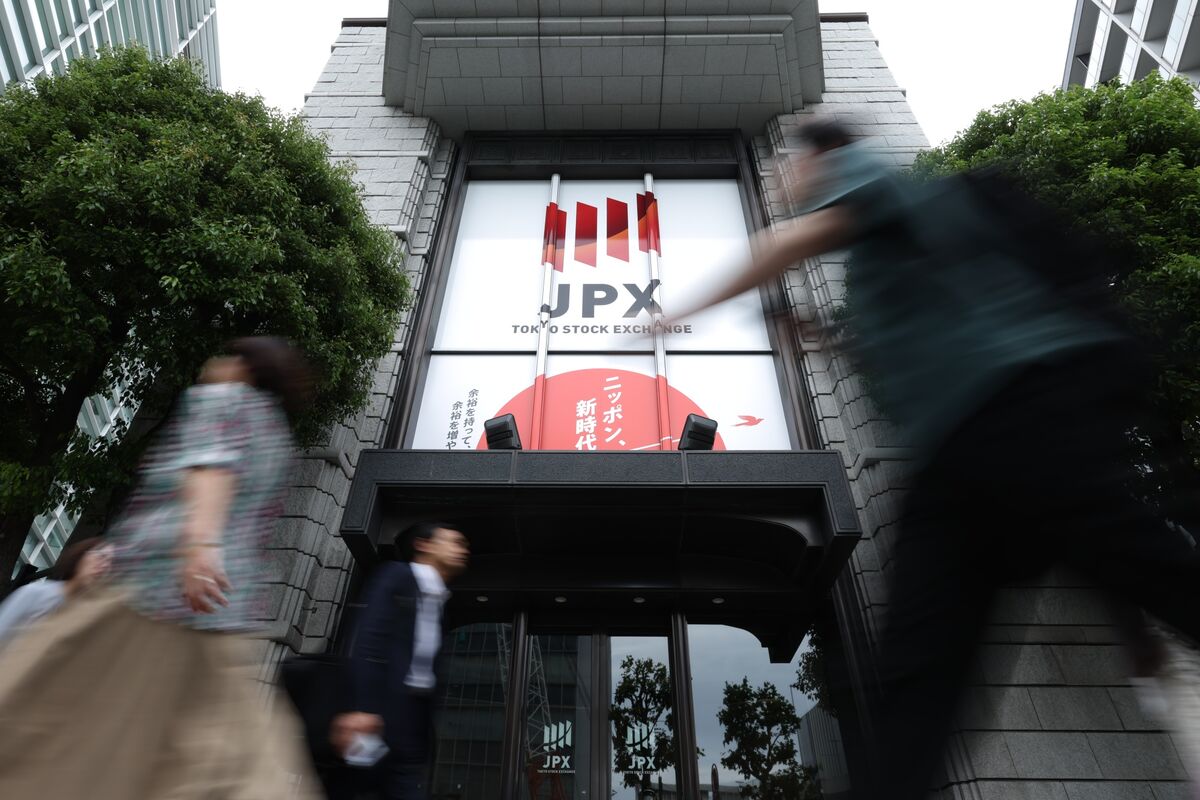
The Nikkei 225 fell 3.9% on Monday, its steepest decline since March 9. The Topix slid 2.5%. The selloff concentrated in AI and semiconductor names: SoftBank Group dropped more than 10% at one point, Kioxia Holdings and Murata Manufacturing each fell more than 10% intraday, with chip equipment makers Renesas Electronics, Ibiden, and Fujikura also dropping sharply. YourDailyAnalysis breaks down the decline as the product of three simultaneous inputs – none of which alone would have produced a 3.9% move.
The first input was the U.S. May payrolls report. The Bureau of Labor Statistics reported 139,000 nonfarm jobs added, beating all forecasts. That print pushed Federal Reserve rate hike expectations higher and strengthened the dollar, which immediately pressured high-multiple, rate-sensitive equity positions globally. Japanese AI stocks had built enormous positions on a narrative combining yen weakness, corporate governance reform, and global AI infrastructure demand – all of which require a benign rate environment to sustain current valuations.
The second input was the SpaceX IPO overhang. Andrew Jackson, head of Japan equity strategy at Ortus Advisors, said the looming IPO of Elon Musk’s SpaceX – slated for June 12 at a $1.75 trillion valuation – is likely adding pressure as investors exit positions in preparation for the mega listing. The looming specter of the SpaceX IPO seems to be sucking the capital life force from the seemingly unstoppable AI/tech rally, Jackson said. The reporters at YourDailyAnalysis surface this as the structural crowding risk that had been building for weeks.
The third input was the fresh Middle East escalation. Iran and Israel exchanged missile strikes over the weekend, the most serious crossfire since the April ceasefire. Oil jumped more than 2%, reasserting inflationary pressure and sapping risk appetite globally. Japan is particularly exposed to energy price spikes because the country imports nearly all of its energy needs, and rising crude costs accelerate the same inflationary dynamic that the BOJ cited when Governor Kazuo Ueda signaled a June rate hike.
Even with Monday’s sell-off, the Nikkei 225 remains up roughly 34% year-to-date. Kioxia has still gained more than 580% in 2026 even after factoring in Monday’s decline. Rajeev De Mello, global macro portfolio manager at Gama Asset Management, said investors started reducing positions in tech last week, then strong labor data further increased expectations for a Fed rate hike by year-end, and the Middle East conflicts just flared up again. He expects investor uncertainty to continue through this week ahead of U.S. inflation data. YourDailyAnalysis weighs De Mello’s assessment as the baseline: not a structural break, but sustained uncertainty.
The BOJ’s own position adds complexity. Ueda’s Wednesday speech locked in a June rate hike as near-certain. A stronger yen would ordinarily dampen export revenues and weigh on the large exporters that populate the Nikkei. The yen strengthened modestly against the dollar on Monday, adding a fourth simultaneous pressure on top of the three already in play. That four-way convergence – rates, SpaceX, oil, and yen – explains why even a well-supported index fell this hard.
The comparison to global equities is instructive. The S&P 500 fell less than 1% while the Nikkei fell 3.9%. That delta reflects how concentrated Japan’s 2026 rally had become in a handful of AI and semiconductor names, and how exposed those names are to rate expectations, geopolitical risk, and capital rotation simultaneously. The editors at YourDailyAnalysis flag concentration risk in the Nikkei as the persistent structural vulnerability that Monday exposed.
U.S. CPI data due Tuesday is the next key variable. A hot reading extends pressure on rate-sensitive tech positions in both the U.S. and Japan. A downside surprise would partially reverse Monday’s selloff, though the SpaceX IPO overhang and Middle East escalation would remain as active pressures regardless of inflation data.
Japan’s equity market entered this week at record territory. The selloff question is whether it represents a healthy pullback from stretched valuations or the opening move of a larger correction. Your Daily Analysis spells out what to watch: SpaceX IPO pricing on June 12, the BOJ meeting outcome on June 15-16, and whether U.S. semiconductor earnings in July confirm or contradict the AI demand story that pushed Japanese chip names to their current levels.