


The IMF’s latest upgrade to its global growth outlook reflects more than a routine forecast adjustment. As noted in YourDailyAnalysis, the revision signals a reassessment of how the world economy has absorbed the trade shocks of 2025 while simultaneously entering a capital-intensive phase driven by artificial intelligence investment. The Fund now expects global GDP to grow by 3.3% in both 2025 and 2026, marking a stabilisation rather than a slowdown after a period dominated by tariff uncertainty and policy-driven volatility.
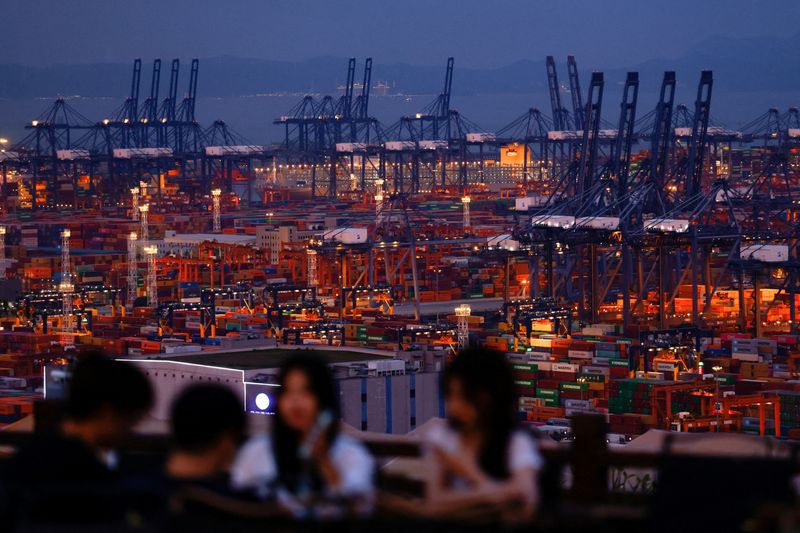
This revised trajectory suggests that businesses have adjusted more effectively than expected to higher US tariffs by reshaping supply chains, reallocating production and redirecting exports. The effective US tariff rate embedded in the IMF’s assumptions has fallen materially from last year’s peak, indicating that trade frictions are shifting from acute shocks to persistent structural constraints. From a macro perspective, this transition matters. Growth is no longer being derailed by abrupt policy changes, but it is increasingly conditioned by political risk and longer planning horizons.
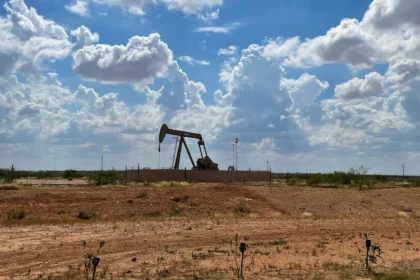
At the same time, the IMF places unusual emphasis on artificial intelligence as a macroeconomic driver rather than a sectoral theme. In the United States, large-scale investment in data centres, advanced semiconductors and power infrastructure is now influencing headline growth forecasts. YourDailyAnalysis views this as the early stage of a capital cycle with broad spillover effects, lifting construction activity, industrial demand and energy consumption. This helps explain why US growth expectations for 2026 have been revised higher even as longer-term projections remain more restrained, reflecting uncertainty over how durable AI-related productivity gains will ultimately be.
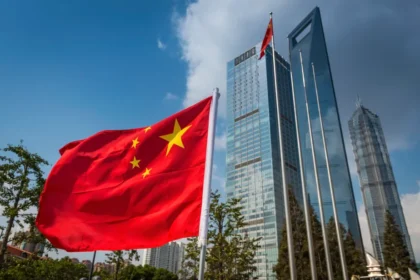
Similar dynamics are visible elsewhere, though unevenly distributed. Spain has emerged as a relative beneficiary of technology-linked investment, while Germany’s increased public spending is supporting euro-area demand. Even so, structural rigidities and delayed defence outlays continue to cap the region’s growth potential. China’s outlook illustrates a different set of trade-offs: lower US tariffs and export redirection have stabilised near-term growth, but reliance on external demand leaves the economy exposed unless domestic consumption becomes a more durable engine.
The IMF also highlights the complex inflationary implications of this investment cycle. Rapid AI-driven capital deployment risks intensifying price pressures through energy demand and labour bottlenecks, even as longer-term productivity gains promise disinflation. This tension has direct consequences for markets. Asset valuations increasingly embed optimistic assumptions about AI-led profitability, leaving them vulnerable if expected efficiency gains fail to materialise. YourDailyAnalysis identifies this asymmetry as a central risk for financial stability over the next two years.
Against this backdrop, easing global inflation is creating space for more accommodative monetary policy, but not without constraints. Central banks remain wary of fuelling asset bubbles or reigniting price pressures at a moment when geopolitical risk and trade policy uncertainty remain elevated. The likely policy response is incremental rather than decisive, prioritising flexibility over pre-committed rate paths.
Taken together, the IMF’s revised projections describe an economy that is neither overheating nor stagnating, but adapting. Trade shocks are being absorbed, investment is shifting toward infrastructure-heavy technologies, and inflation is moderating without collapsing demand. The key strategic question is no longer whether global growth can persist, but which economies can convert investment momentum into sustained productivity gains while managing political and financial risks. As Your Daily Analysis consistently emphasises, that distinction will define relative performance across markets well beyond 2026.