
The U.S. Treasury Department’s Office of Foreign Assets Control designated Unión Cuba-Petróleo, known as CUPET, on June 11, adding it to the sanctions blacklist under Executive Order 14404. Secretary of State Marco Rubio announced the action: energy on the island has long been weaponized by Cuba’s Communist government as a tool of both repression and self-serving regime kleptocracy. All CUPET property in the United States is now blocked, and foreign entities face exposure to secondary sanctions. The timing, coming one week after the U.S. sanctioned Cuban President Miguel Díaz-Canel personally, is deliberate. YourDailyAnalysis isolates the CUPET designation as the escalation that closes the fuel channel, not merely the political message.
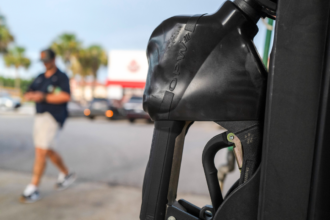
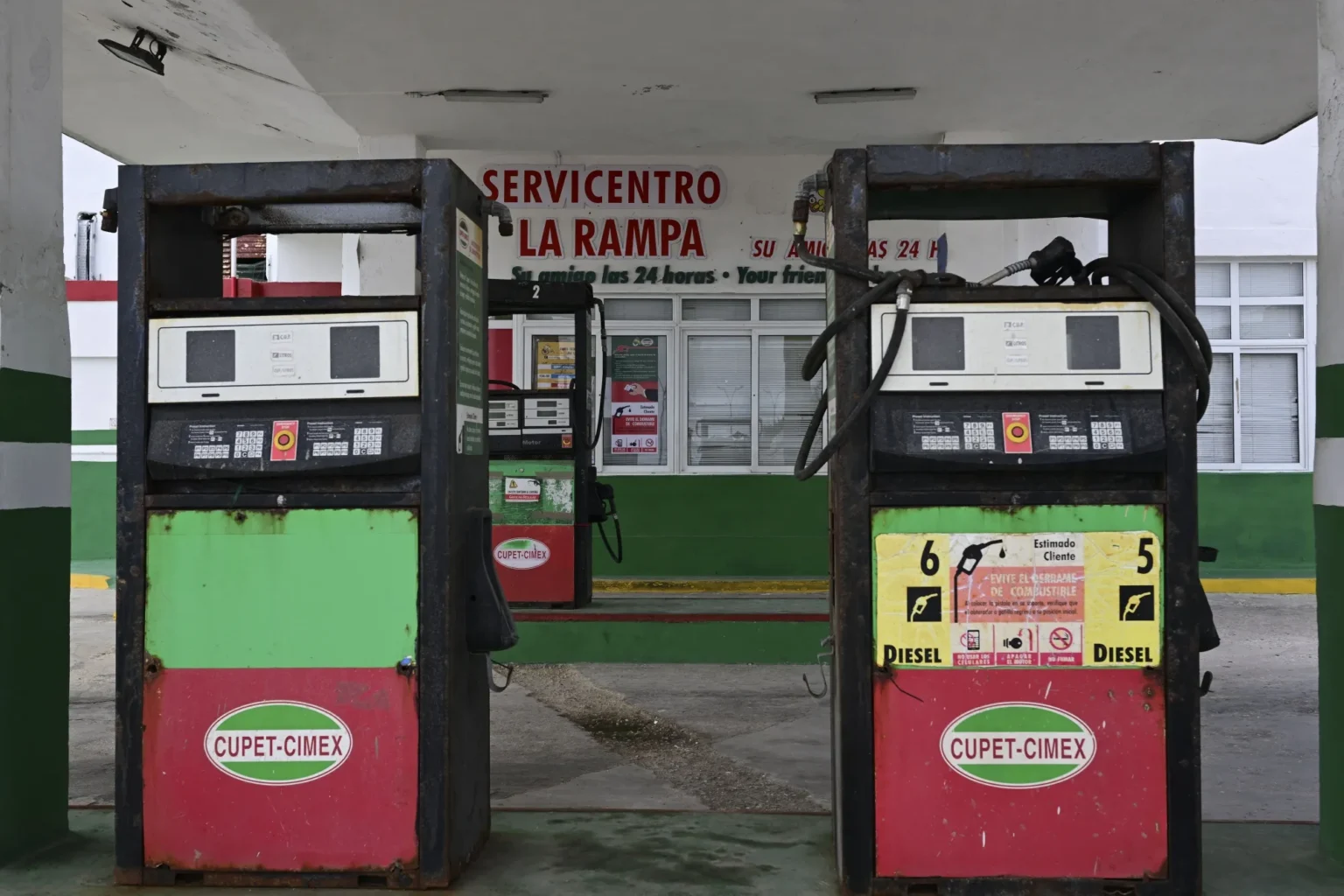
The practical context is an island already in energy crisis. Cuba’s power grid has been collapsing in extended rolling blackouts. Gas stations across Havana have been running dry for months. Rubio stated that key assets of CUPET had been unlawfully expropriated from American owners years ago, adding a property restitution dimension to an action framed primarily as a human rights measure.
The diplomatic context makes the designation more than symbolic. The CUPET action came hours after senior Chinese and Cuban officials discussed bilateral cooperation. That sequencing is almost certainly not coincidental. Washington is communicating to Beijing that energy lifelines to Havana will face U.S. legal exposure. YourDailyAnalysis notes the designation is structured under Section 2(a)(i)(A) of Executive Order 14404, which targets companies operating in the energy sector of the Cuban economy – language broad enough to sweep in intermediaries.
William LeoGrande, an expert on Cuba at American University, described the measure as an effort to block any major oil shipments and said U.S. policy amounts to being all in on strangling the Cuban economy. Cuba’s government has consistently maintained that ordinary Cubans bear the heaviest cost of sanctions. UN High Commissioner for Human Rights Volker Türk called this week for the Trump administration to lift fuel restrictions, stating that children are dying because doctors lack access to essential medical supplies.
There is a scenario in which the sanctions produce the opposite of their stated intent. If the Cuba government uses the energy crisis to consolidate internal control – rationing as a tool of compliance, blackouts as political punishment – then the population suffers the cost while the regime maintains its grip. That outcome is precisely what critics of coercive economic measures against closed authoritarian states have described for decades. The signal YourDailyAnalysis sees in the escalation sequencing: the administration is not waiting to find out.
A deal was reportedly being arranged to send fuel from the U.S. private sector to Cuba’s private sector, bypassing CUPET entirely. That arrangement would have provided relief to Cuban households without routing money to the state oil company. It now faces the designation’s legal shadow. Any entity moving fuel to Cuba must ensure the transaction does not involve CUPET at any step – a compliance burden that effectively kills most commercial arrangements given Cuba’s energy infrastructure is centralized through the state.
The broader Trump policy combines the CUPET sanction with an oil blockade imposed in earlier months, the personal sanctions on Díaz-Canel, and restrictions on remittances and travel progressively tightened across 2026. What Your Daily Analysis tracks as the functional question: whether Cuba can source oil from non-U.S.-exposed entities, primarily through Russia or China, in quantities that offset the impact.
Russia has been Cuba’s primary oil supplier but has managed reduced export capacity under its own Western sanctions. China has been Cuba’s economic patron, but secondary sanctions exposure creates complications for Chinese energy companies with U.S. commercial interests.
The United Nations and a growing number of governments have called the policy economic coercion directed at civilians. The Trump administration frames it as a necessary measure against a government that uses its own population as a tool of control. Those two readings of the same facts will not be reconciled diplomatically. YourDailyAnalysis ends on the ground-level reality: the designation will deepen Cuba’s fuel crisis before, if ever, it produces the political change Washington says it is seeking.