



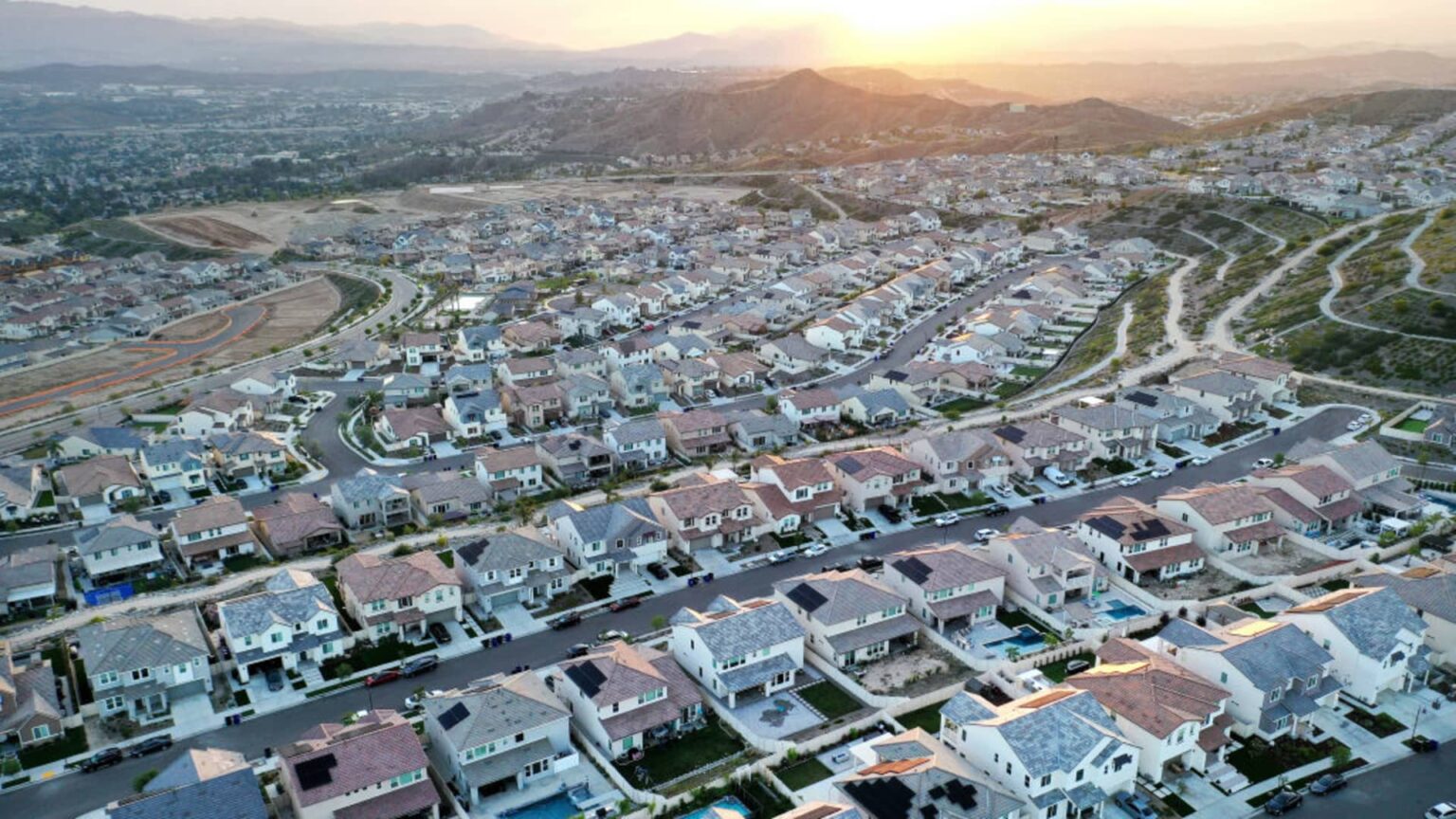
San Francisco’s median home sale price crossed $2.15 million in the first quarter of 2026, an 18% annual increase surpassing the previous peak of $2 million set in April 2022. Patrick Carlisle, chief market analyst at Compass, attributed the surge directly to the new employment and wealth generated by the AI startup boom, noting that economic volatility from the Iran war had no visible effect on the city’s housing dynamics. YourDailyAnalysis isolates the San Francisco data as the cleanest available signal of what AI-driven wealth concentration does to housing when it arrives in a supply-constrained city.
The mechanism is direct. More than 600 current and former OpenAI employees sold nearly $7 billion worth of shares through secondary markets by end of 2025, according to investment research firm Sacra. Real estate broker Danielle Lazier noted that agents started noticing the surge last fall and winter, corresponding to when OpenAI employees could start selling on private markets. The houses that followed were not modest: entry-level San Francisco homes drew 20 offers and sold $900,000 above asking price.
Local real estate agent Ali Mafi described the buyer profile precisely: a lot of 22-year-olds getting $500,000 signing bonuses from AI companies, excited to buy homes. AI hiring at the frontier has compressed the timeline between joining a company and achieving significant net worth. Junior employees at OpenAI, Anthropic, and their competitors have had secondary market access years before any public listing. The result is a cohort of high-net-worth buyers in their mid-20s with no dependents, high risk tolerance, and one constraint – proximity to the office.
The national picture sits in stark contrast. The median first-time homebuyer in the United States bought their home at age 40 in 2025, up from the early 30s a decade earlier. A Redfin survey found 59% of Americans believed AI would make homeownership less attainable. The divergence that YourDailyAnalysis traces back to is structural: AI generates enormous wealth in a small number of geographic clusters while simultaneously displacing white-collar employment in sectors that employ homebuyers everywhere else.
The pre-IPO wealth effect is still in early stages. Sacra estimated the eventual IPOs of OpenAI and Anthropic alone could generate more than 16,000 new millionaires. Real estate broker Kelly Bennett articulated the market psychology: we might look back on spring 2026 and think we should have gotten in then. That logic is self-reinforcing in a supply-constrained city: sellers hold listings back expecting prices to climb; buyers bid higher to secure before the IPOs arrive.
The macro effect extends beyond San Francisco. AI data center construction is creating secondary housing pressure in dozens of markets where those facilities are being built. Construction workers, engineers, and operations staff require housing. The full geography that YourDailyAnalysis sizes up includes San Francisco as the epicenter but extends through Midwest data center corridors and tech-adjacent suburbs where AI workers relocate with income levels that established local housing norms cannot absorb.
The policy dimension is largely absent from current housing discussions. Neither federal housing agencies nor local planning departments have modeled the AI wealth effect on housing supply requirements. Zoning reform in San Francisco has been a political struggle for a decade and has not accelerated in response to the new demand wave. The same gap applies to every city where AI data center construction is now the largest single driver of new employment.
The uncomfortable arithmetic is this: the AI companies generating the wealth inflating San Francisco home prices are simultaneously the companies whose automation tools are most rapidly displacing the white-collar workers who historically formed the national homebuyer base. One cohort gets $500,000 signing bonuses; another gets a 90-day severance notice. Both effects show up in housing markets, but in different cities and different time horizons.
Your Daily Analysis spells out the watch point for 2026: whether the OpenAI and Anthropic IPOs produce the wealth event that local real estate agents are pricing in, or whether they slip to 2027 and take the pre-IPO froth with them. That is the single most important variable in the San Francisco housing forecast, and it has nothing to do with mortgage rates.