



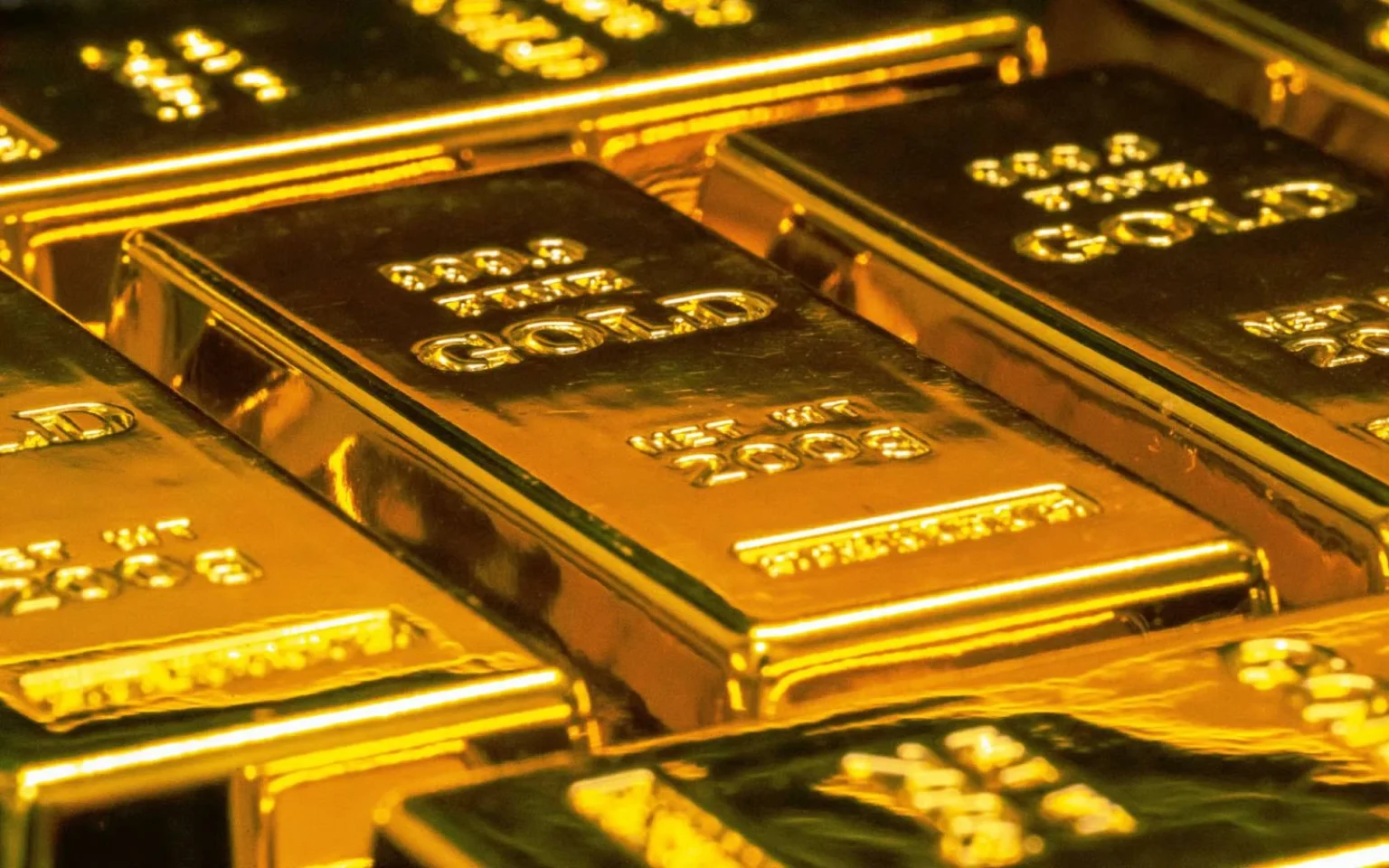
Gold climbed more than 2% on Monday, June 15, to trade above $4,300 per ounce after President Trump announced the United States and Iran had reached an agreement in principle. A peace deal should push oil lower, which reduces inflation expectations, which reduces Fed rate hike pressure, which benefits gold. That chain ran correctly. But the same peace deal also reduces geopolitical risk premiums that had been providing an independent support layer for bullion throughout the conflict. YourDailyAnalysis identifies the net result as a trade requiring careful disaggregation: gold went up, but the tailwinds and headwinds were both real.
The mechanism behind Monday’s move started with the dollar. The greenback fell to a 10-day low against major peers as risk appetite improved. A weaker dollar makes gold less expensive for overseas buyers. Oil prices fell roughly 4% to 5%, with Brent crude dropping toward the $77 to $80 range. That oil drop translated into softer energy-driven inflation expectations, reducing the probability of near-term Federal Reserve rate hikes. Non-yielding gold tends to underperform in elevated rate environments.
There is a third dynamic working in gold’s favor that is less intuitive. The SpaceX IPO raised $75 billion on June 12 and had drained substantial liquidity from precious metals in the weeks before listing. With the IPO now firmly behind the market, capital is rotating back toward hard assets. Lars Hansen, Head of Research at The Gold and Silver Club, described gold as no longer trading like a defensive hedge but like the next major comeback trade of 2026, and described the week of the Iran deal as the moment when pre-war macro playbooks became active again.
Position gold’s Monday move against broader commodity history. CME Lithium Futures are up 86% year-to-date. Copper has gained 28%. Aluminium has surged over 41%. Precious metals had underperformed this broad commodity rally, suppressed by the rate-hike pressures that the Iran conflict drove. YourDailyAnalysis lands on the interpretation that gold’s Monday move was not a geopolitical-risk reaction but a rate-expectations reset. The metal had been pricing in a world where the Fed needed to respond to energy-driven inflation. The world changed on Sunday night.
The Federal Reserve held rates steady on Wednesday, with new Fed Chair Kevin Warsh scrapping forward guidance while vowing price stability. That posture is neither the hawkish shock gold bulls feared nor the dovish pivot gold would need to break firmly higher. It is a holding pattern that sustains the current range and keeps the Iran deal as the primary directional variable.
The Strait of Hormuz reopening timeline remains the variable most likely to determine gold’s next move. If the MoU signing on June 19 proceeds cleanly and tanker traffic begins recovering toward pre-war levels, oil price relief sustains, rate hike expectations stay suppressed, and the dollar remains under pressure. All three forces are structurally positive for gold. Your Daily Analysis notes that this is the first time since the conflict began that all three of those forces have pointed in the same direction simultaneously.
The most unusual feature of this gold rally is that it is occurring in an environment where investor sentiment has been broadly constructive. Gold historically outperforms in crisis environments where equities and risk assets are selling off. The current setup has equities near highs, the SpaceX IPO just completed, and Asian tech stocks surging on the same peace deal news lifting gold. That synchrony is unusual and arguably unstable.
The gold market faces a specific near-term risk: the June 19 signing is still a draft text. White House communications director Steven Cheung stated publicly that the leaked 14-point draft does not reflect the language of the actual MoU. If the signing slips or key terms are contested, the peace trade unwinds and oil recovers its conflict-era levels. YourDailyAnalysis marks this as the asymmetric risk: the upside scenario requires the deal to hold; the downside scenario only requires it to fray.
Watch the June 19 signing ceremony, the first FOMC statement after the peace deal, and AIS tanker traffic through the strait in the first 14 days after signing. Those three data points will determine whether Monday’s gold move was the start of a sustained recovery toward pre-conflict levels near $4,800 or the peak of a short-term relief rally.