


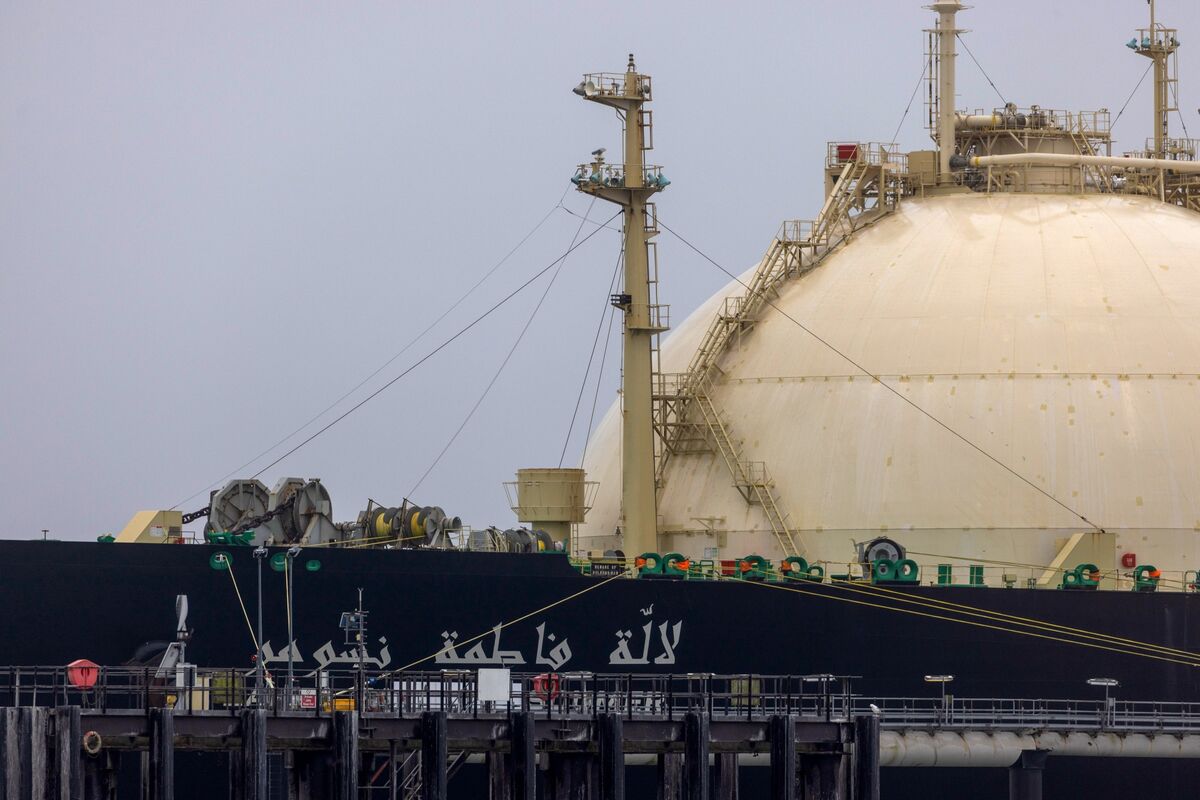
The liquefied natural gas market will move into oversupply in 2028, a year later than previously forecast, as war in the Middle East and major project delays push back the emergence of a global glut, according to BloombergNEF. In its report a year earlier, BNEF had forecast oversupply from 2027; after crossing into surplus under the new timeline, excess supply is expected to peak in 2031 to 2032 after multiple new projects come online. YourDailyAnalysis starts with what changed the forecast rather than the new date itself: this is a war-driven delay to a structural oversupply trend, not a reversal of the trend, which matters for how temporary or permanent this pricing support should be read.
The physical damage behind the delay is specific and significant. The world’s largest LNG export plant, in Qatar, sustained damage from Iranian missile strikes, while shipments of the fuel via the Strait of Hormuz, a route that carried a fifth of the world’s LNG before the conflict, ground to a near-halt. YourDailyAnalysis flags the scale mismatch here: a strike on the single largest LNG facility globally, combined with near-total disruption of the route carrying a fifth of world supply, is the kind of dual shock that would move a market forecast by a full year even without any additional demand-side changes.
The recovery picture is fragile rather than settled, and BNEF’s own report reflects genuine uncertainty about the timeline. After a brief uptick in shipments following last month’s interim peace deal between the U.S. and Iran, fresh hostilities in the region have effectively closed the strait once again and deepened uncertainty over when energy flows might return to normal; BNEF said Qatar’s output in coming years faces uncertainties from both existing and expansion projects, with future supply growth determined by the repair timeline for the two production trains damaged during the war, as well as the startup sequence for the operation’s six North Field expansion trains.
BNEF’s analysts flagged a commercial dimension layered on top of the physical damage, which is a more subtle but equally important variable. “Beyond engineering constraints, commercial strategy will also matter,” BNEF said. “Slower contracting after the Iran war could delay project rollouts, while QatarEnergy could leverage its low production costs to accelerate volumes and compete more aggressively with U.S. LNG as the spot market enters a period of oversupply.” Your Daily Analysis reads that scenario as worth taking seriously: Qatar emerging from repair with an incentive to undercut U.S. LNG on price once the glut arrives would be a meaningfully different market outcome than a straightforward, uniform industry-wide oversupply.
The near-term price and access implications fall hardest on the buyers with the least flexibility. Asian LNG spot prices are likely to be supported through next year due to the war, as well as the risk of Europe missing its gas-storage refill targets, with prices seen easing toward $8 per million British thermal units by 2030; the longer supply remains constrained and prices elevated, the harder it will be for emerging markets, particularly in Asia, to access the LNG they need to help their energy transition. Total Middle Eastern supply is still set to grow 50% to 147 million tons by the end of the decade despite this year’s disruption, before climbing modestly to 153.8 million tons by 2035.
Watch the repair timeline for Qatar’s two damaged production trains, which BNEF explicitly identifies as the key variable determining how the forecast evolves from here, and watch whether renewed hostilities around the strait further delay the 2028 oversupply date BNEF has now set. YourDailyAnalysis views U.S. LNG supply growth, forecast at about 146 million tons per year through 2035 and described as the market’s swing supply, as the counterweight most likely to determine whether the eventual glut, whenever it arrives, proves as deep as BNEF’s current 100-million-ton 2031 estimate suggests.