



Bitcoin briefly approached the $90,000 level before retreating toward $88,000, reflecting a familiar pattern in which political rhetoric collides with legislative uncertainty. While public support from President Donald Trump for crypto market-structure legislation offered a short-term boost, price action suggests that traders remain focused on execution risk rather than narrative momentum. As YourDailyAnalysis observes, policy headlines can spark rallies, but sustainability depends on procedural progress, not intent.
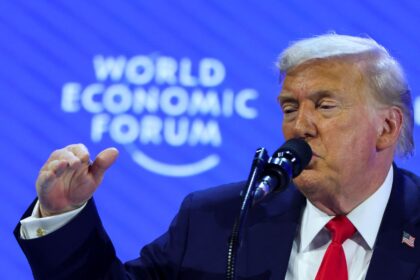
Trump’s remarks at the World Economic Forum, emphasizing his goal of keeping the United States the global center of crypto innovation, temporarily lifted sentiment. The reaction underscores how sensitive digital assets have become to regulatory signaling. However, optimism was tempered by the recent setback faced by the market-structure bill, which lost backing from a major industry participant ahead of a key discussion session. This withdrawal highlighted unresolved issues around stablecoin incentives and competitive balance between banks and crypto-native firms. YourDailyAnalysis notes that when influential stakeholders publicly distance themselves from draft legislation, markets typically discount the probability of swift passage.
Shifts in expectations have been reflected in prediction markets, where perceived odds of congressional approval in 2026 have fallen sharply from earlier highs. While such platforms do not determine outcomes, they provide a real-time gauge of sentiment among politically engaged participants. A rapid reassessment of probability reinforces the view that regulatory clarity may arrive later and in a more fragmented form than initially anticipated, limiting its near-term impact on valuations.
From a technical perspective, bitcoin’s retreat from recent highs carries additional significance. Since peaking near $98,000 earlier in the month, the asset has declined roughly 8%, placing it below levels associated with the average cost basis of short-term holders. YourDailyAnalysis interprets this as a regime in which rallies are more likely to encounter selling pressure, as participants seek to exit positions near breakeven. Key downside levels around the high-$80,000s have therefore taken on greater importance as potential triggers for momentum-driven moves.
Large-scale purchases by corporate holders have also failed to stabilize prices. Despite substantial accumulation over a short period by a prominent bitcoin-focused firm, the market has struggled to maintain upward traction. This pattern suggests that incremental demand from a single buyer is insufficient when broader participants remain cautious. In such conditions, durable advances typically require either renewed institutional inflows or a decisive improvement in macro and regulatory clarity.
The broader context remains mixed. Bitcoin has relinquished much of its year-to-date gains following a weak fourth quarter, reinforcing the notion that the asset is transitioning from a momentum-driven phase into one dominated by range trading and headline sensitivity. Political endorsement provides a supportive backdrop, but it does not override unresolved questions around legislative timelines, enforcement authority, and market structure.
The most plausible near-term scenario is continued volatility within a defined range, with price direction dictated by incremental signals from Washington rather than sweeping breakthroughs. From the standpoint of Your Daily Analysis, sustained upside would require confirmation that regulatory proposals are advancing beyond rhetoric into durable frameworks. Until then, bitcoin’s price behavior is likely to reflect caution, with traders prioritizing risk management over narrative-driven positioning.
As YourDailyAnalysis concludes, the episode underscores a recurring dynamic in digital asset markets: political optimism can ignite short-lived rallies, but lasting revaluation depends on execution, credibility, and time.