



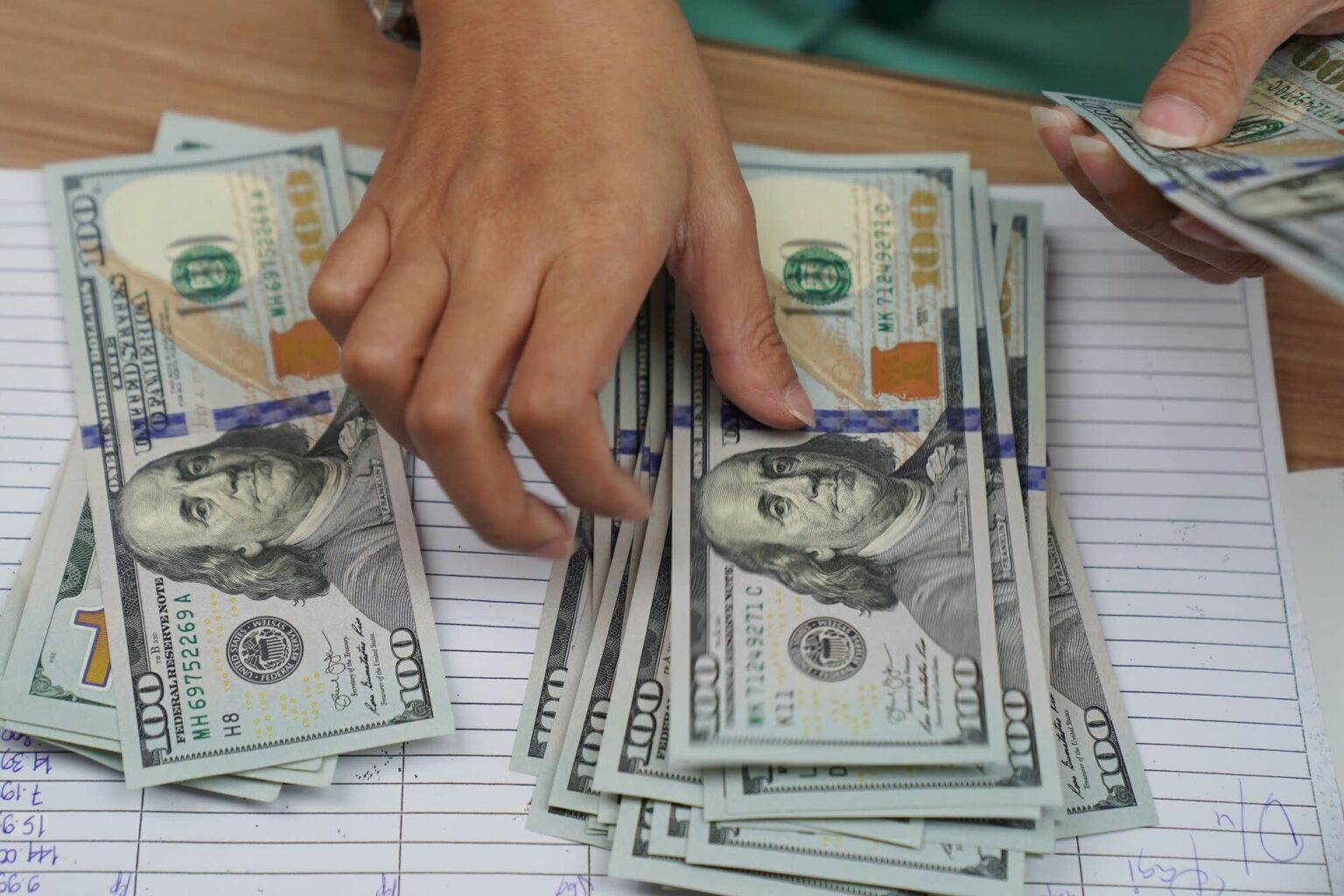
The signal markets took from President Trump’s remarks was not simply tolerance toward a weaker dollar, but the removal of an implicit stabilizing assumption. For decades, investors operated on the belief that U.S. administrations would intervene rhetorically – if not materially – once currency moves risked becoming disorderly. When that assumption weakens, price action stops behaving like a temporary deviation and starts reflecting a policy-tolerated outcome. YourDailyAnalysis views this shift as a reclassification of dollar risk rather than a conventional macro adjustment.
What matters is not the magnitude of any single policy decision, but the speed and reversibility of direction. Rapid tariff threats, abrupt diplomatic reversals, and escalating geopolitical rhetoric introduce a premium for uncertainty that markets struggle to hedge dynamically. Even when such actions are partially rolled back, the underlying damage is done: predictability erodes. In YourDailyAnalysis, this is framed as a “rule-change premium” – a cost embedded into asset pricing when strategic intent becomes difficult to infer.
A second, more structural signal lies in the breakdown of familiar correlations. Traditionally, stable or rising U.S. Treasury yields alongside resilient economic data would provide firm support for the dollar. The fact that the currency is weakening despite these conditions suggests that investors are adjusting exposure through hedging rather than outright liquidation. This distinction is critical. A gradual increase in hedge ratios across global portfolios can exert sustained pressure on the currency without triggering dramatic capital flight. YourDailyAnalysis interprets the current environment as one of quiet re-risking rather than panic.
This dynamic also explains the resurgence of demand for non-sovereign stores of value. Gold’s rally is less about near-term inflation fears and more about insulation from institutional and political volatility. When confidence in governance frameworks becomes the scarce variable, assets that sit outside policy discretion gain appeal. YourDailyAnalysis treats the parallel strength in precious metals, alternative currencies, and selective emerging-market flows as part of the same diversification impulse.
From a policy perspective, the trade-off is increasingly clear. While a softer dollar may marginally support exports, sustained weakness complicates the task of financing large fiscal deficits at reasonable cost. Foreign capital is more sensitive to currency stability when debt issuance is heavy and political messaging signals comfort with depreciation. In YourDailyAnalysis, the core risk is not dollar weakness in isolation, but the potential coupling of a weaker currency with rising term premiums – a combination that historically destabilizes funding conditions.
Looking ahead, the key variable is the market’s reaction function rather than any single data release. If dollar rebounds continue to be sold quickly and hedging costs remain elevated, the path of least resistance remains lower even amid solid growth. Markets are also increasingly alert to any sign that monetary independence could be compromised, as this would shift political noise into regime-level risk with longer persistence.
For investors, the implications are practical rather than predictive. Dollar exposure should be treated as an explicit risk decision, not a default. Hedging policies need to be deliberate, not reactive. Corporates and long-duration allocators should stress-test balance sheets against scenarios where currency weakness coincides with higher funding costs. Tactical positioning, meanwhile, demands reduced reliance on historical correlations until institutional credibility stabilizes. From the perspective of Your Daily Analysis, the dollar’s recent trajectory is best understood not as a macro surprise, but as a confidence signal. When institutional predictability weakens, markets adjust quietly first – and price aggressively later.