

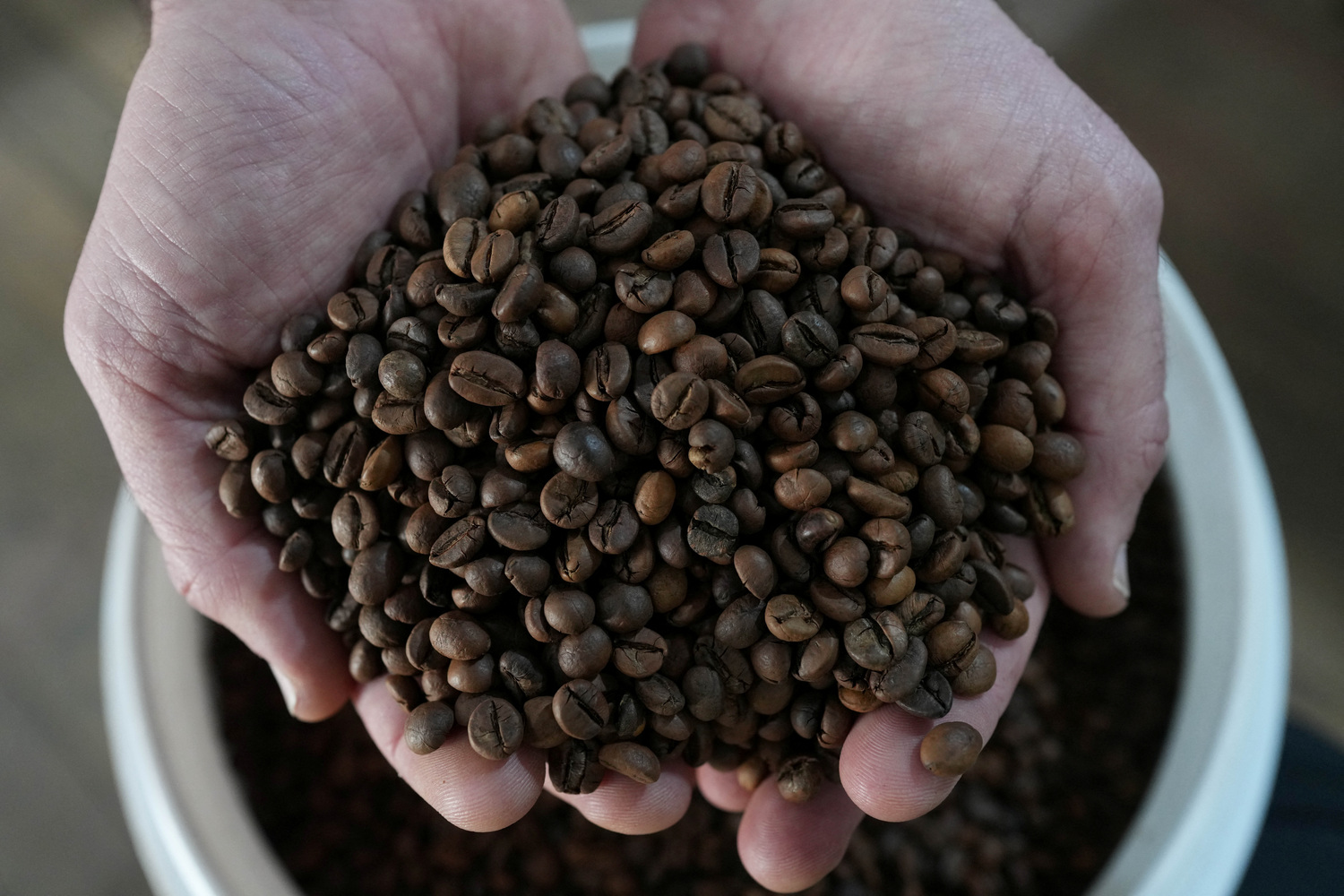
Brazil’s instant coffee is exempt from a new 25% U.S. tariff on Brazilian imports, a move eagerly awaited by the industry, which had previously been the only segment of Brazil’s coffee sector subject to the U.S. duties. According to the Brazilian coffee exporters group Cecafe, the exemption protects between $2 billion and $2.5 billion in Brazilian coffee exports to the United States each year. YourDailyAnalysis flags the specific anomaly this exemption corrects: instant coffee had been singled out for tariffs even as green coffee beans and other segments were spared, an inconsistency that made little obvious sense from a trade-policy standpoint and had left one narrow segment of the industry disproportionately exposed.
That earlier inconsistency is worth spelling out precisely, since it explains why this exemption was so eagerly awaited. Instant coffee remained subject to U.S. tariffs even after the Trump administration revoked duties on most Brazilian products last year, including green coffee beans and even flavored varieties of instant coffee; in other words, flavored instant coffee had already been exempted while plain instant coffee remained taxed, an oddly specific carve-out gap that this new exemption now closes.
The damage done during the period the tariff was in effect is measurable and significant. Brazilian instant coffee exports to the U.S. fell by close to 30% in 2025 versus the previous year as the industry struggled under the tariffs, according to the Brazilian Instant Coffee Industry Association. YourDailyAnalysis treats that 30% decline as strong evidence the tariff was genuinely binding rather than merely symbolic – a nearly one-third drop in export volume over a single year is the kind of demand destruction that validates industry complaints about the duty’s real economic bite, rather than tariff exposure being absorbed elsewhere in the supply chain.
The exemption came through coordinated lobbying on both sides of the trade relationship, which is a detail worth noting for what it suggests about how future exemptions might be won. The exemption represents efforts on the part of Cecafe and the U.S. National Coffee Association, according to Cecafe’s director general Marcos Matos – a joint push from the Brazilian exporter association and the American industry group representing domestic coffee roasters and retailers, meaning U.S. buyers of Brazilian instant coffee were pushing for this change alongside Brazilian producers, not against them.
That U.S.-side advocacy is the more structurally important detail here. YourDailyAnalysis reads the involvement of the U.S. National Coffee Association as the reason this exemption succeeded where a purely Brazilian lobbying effort might not have: American companies that rely on Brazilian instant coffee as an input had their own direct financial stake in reversing the tariff, giving Washington a domestic constituency actively arguing for the exemption rather than treating it as a favor to a foreign trading partner alone.
Watch whether Brazilian instant coffee export volumes to the U.S. recover toward pre-tariff levels now that the exemption is in place, which would confirm the tariff, not some other structural factor, was the primary driver of last year’s roughly 30% decline. Your Daily Analysis sees this exemption as a potential template other narrowly tariffed commodity segments could point to, particularly where U.S. buyers, not just foreign exporters, have a direct financial interest in reversing a specific duty.