


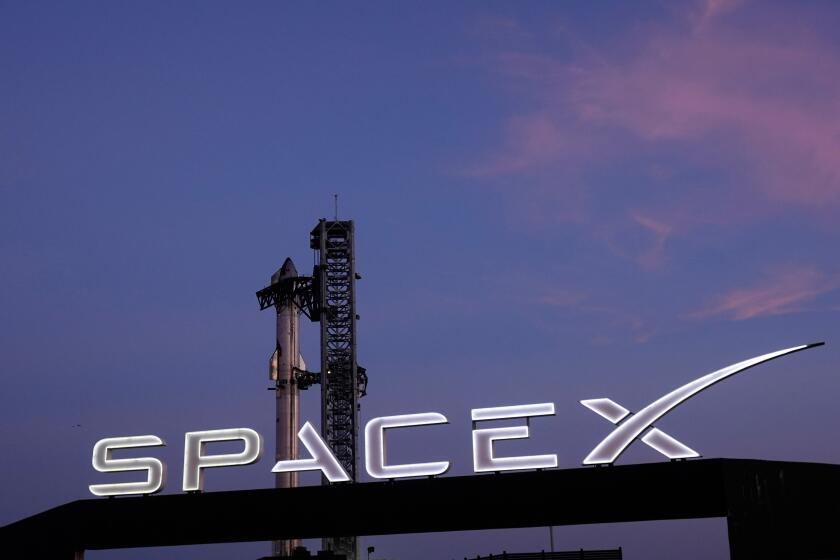
Short sellers targeting SpaceX shares are sitting on an estimated $8.7 billion in paper profit since the rockets-to-AI firm’s initial public offering last month, as its stock slipped below the IPO price, according to data and analytics firm Ortex Technologies. Short sellers have pressed their bearish bets as shares slipped toward the $135 IPO price from a post-IPO high of $225.64, with the stock dropping below its offering price for the first time Wednesday before recovering to close just above that level. YourDailyAnalysis frames the trajectory as the real story: a stock that traded 67% above its IPO price at its peak giving back essentially the entire gain within roughly a month is an unusually fast round trip for a company this large and this closely watched.
The scale of the bearish positioning is what makes this an outsized story rather than a routine post-IPO pullback. Almost half of SpaceX’s tradable shares, about 49% of the free float, are now out on loan, according to Ortex, with co-founder Peter Hillerberg saying “we believe most of that is short selling.” YourDailyAnalysis treats a 49% utilization rate as an extraordinary level of bearish conviction for a stock this size – that’s roughly half of all available shares being borrowed specifically to bet against the company, a concentration of short interest more typical of a distressed small-cap than a freshly listed mega-cap.
Hillerberg’s own characterization of the trade’s persistence adds a behavioral dimension worth noting. “SpaceX has been a rollercoaster for the short sellers, and it has ended up firmly in their favor,” he said. “Rather than take profits, the bears kept adding the whole way down.” That’s a specific and somewhat unusual pattern: short sellers who are already deeply profitable typically face pressure to lock in gains, and the fact that this cohort instead kept increasing the size of their bet suggests genuine conviction the stock has further to fall, not just opportunistic profit-taking on a lucky trade.
The underlying bear case, as far as it’s been articulated, centers on financing rather than operations. The weakness in SpaceX shares reflects in part investor concern over debt-funded AI spending – a specific worry about balance-sheet risk tied to the company’s AI ambitions, rather than doubts about its core rocket and satellite business, which gives the short thesis a narrower and more testable foundation than a generalized valuation critique would.
This trade is not without real risk for the bears, and that risk is structural rather than just reputational. SpaceX’s lofty valuation makes it a target for short sellers skeptical of its rich price tag, but strong retail and institutional interest as well as CEO Elon Musk’s history of public battles against short sellers make bearish bets against the company a risky proposition; the stock’s sizable short position could inject further volatility, with every dollar SpaceX shares move worth more than $300 million to the short side, according to Ortex estimates. Your Daily Analysis reads that $300-million-per-dollar figure as the mechanism for a potential short squeeze: with positioning this concentrated, any sharp reversal, whether from a positive operational surprise or Musk-driven market intervention, could force rapid, self-reinforcing buying to cover positions.
SpaceX shares were up about 1% to $136.28 on Thursday, meaning the stock has stabilized just barely above its IPO price rather than breaking cleanly below it, at least for now. Whether that line holds is likely to determine the next phase of this standoff between an enormously profitable short position and a company whose CEO has a documented history of making bearish bets painful.
Watch whether SpaceX shares definitively break below the $135 IPO price and stay there, which short sellers would likely read as validation to keep adding, versus a sustained recovery that could trigger the kind of rapid short covering the concentrated position makes possible. YourDailyAnalysis views the debt-funded AI spending concern specifically as the variable to track going forward, since any company disclosure clarifying that financing structure could move the stock sharply in either direction given how much short interest is now riding on the ambiguity.