


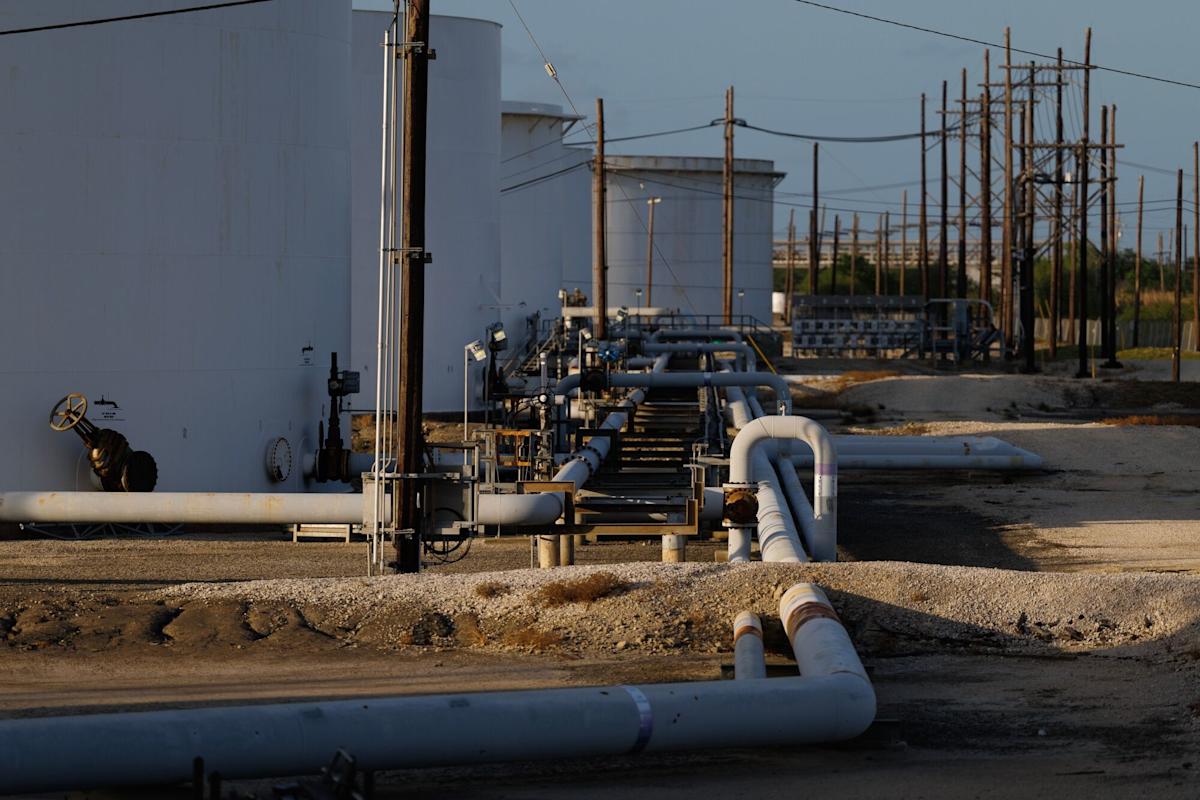
Brent crude climbed back toward $93 a barrel on Monday morning, up roughly 2.5 percent from Friday’s close – its weakest level since mid-April. West Texas Intermediate rose to near $90. The move retraced most of last week’s late selloff, driven by optimism that a U.S.-Iran deal was close enough to price in partial Hormuz reopening. Then the weekend passed without an agreement. Both benchmarks completed a full reversal of the hope premium within five trading sessions. Brent remains more than 25 percent above its level when the war started at the end of February, and that is the baseline from which all the recent volatility makes sense. YourDailyAnalysis spotlights a market that is not confused about the long-term supply problem – it is uncertain only about the timing of any resolution.
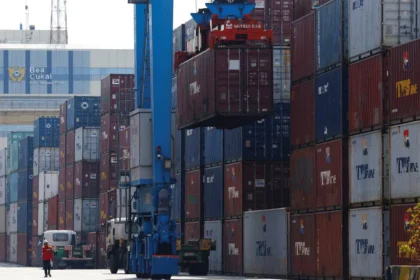
The supply story has been consistent since late February. The Strait of Hormuz – the 21-mile channel at the mouth of the Persian Gulf through which roughly a fifth of the world’s oil supply transits daily – has been largely closed for three months. Iran sealed it as one of its first retaliatory acts after the war began. The U.S. conducted an aerial campaign to reassert passage and imposed a naval blockade on Iranian ports. At least 17 merchant vessels have been damaged, 7 abandoned, 12 seafarers killed or missing, and shipping insurance costs have made the route commercially unviable. Downstream effects run from diesel prices in European trucking to fertilizer costs in South Asian agriculture. The implication, as the team at YourDailyAnalysis sees it, is uncomfortable: even a ceasefire does not instantly reopen a mined, contested, and militarized channel.
Goldman Sachs published a May 31 note flagging two-sided risks for crude. On the upside, Hormuz supply losses have no obvious short-run substitute. On the downside, weak April oil demand data from both China and Western Europe creates roughly $10 a barrel of additional bearish pressure against Goldman’s Q4 Brent forecast of $90. Position the data against history: the last comparable chokepoint closure was the 1973 Arab embargo, when supply was cut by about 7 percent of global consumption. The Hormuz disruption has removed a larger share. The difference is that elevated U.S. shale output provides a partial cushion today that 1973 lacked. YourDailyAnalysis traces the current price range back to that structural offset – shale keeps the ceiling lower than 1973 set it, but the floor remains far above pre-war levels.
Hamzeh Al Gaaod, an independent economist for the Middle East and North Africa region, stated the stalemate plainly: Neither Iran nor the U.S. are capitulating or compromising on their red lines. Oil pricing is now a direct function of deal probability. The first monthly price drop of 2026 – which closed out May – happened specifically because traders priced in an imminent agreement. That probability fell over the weekend as both sides exchanged contradictory public statements. Monday’s bounce reflects recalibration to baseline uncertainty rather than any new fundamental. The editorial board at Your Daily Analysis benchmarks the pattern: every peak of diplomatic optimism since April has produced a 10-to-15 percent crude correction, and every deal failure has snapped prices back up within 48 hours.
There is a third scenario the market has not fully priced. What if a deal is signed and the Strait remains functionally closed for weeks anyway? Iranian state media indicated that reopening would involve coordination with the Armed Forces, would account for technical limitations, and could include monitoring, inspection, and service protocols. None of those conditions imply an instant return to roughly 20 million barrels per day of pre-war transit traffic. The re-mining of the strait, positioned Iranian naval assets, and damage to port infrastructure all add lead time. The analysts at YourDailyAnalysis estimate full normalized Hormuz traffic is weeks from any signed memorandum, not days.
Watch for a formal announcement this week. Any deal statement from Washington or Tehran moves Brent at least 5 percent within the hour. In its absence, track the weekly U.S. Energy Information Administration crude inventory report and any OPEC+ statement on production strategy. Saudi Arabia has a direct financial interest in higher prices and a strategic interest in stability; those incentives currently pull in opposite directions. Friday’s May payrolls report resets Federal Reserve policy expectations and feeds back into global demand projections and long-term crude valuations.