


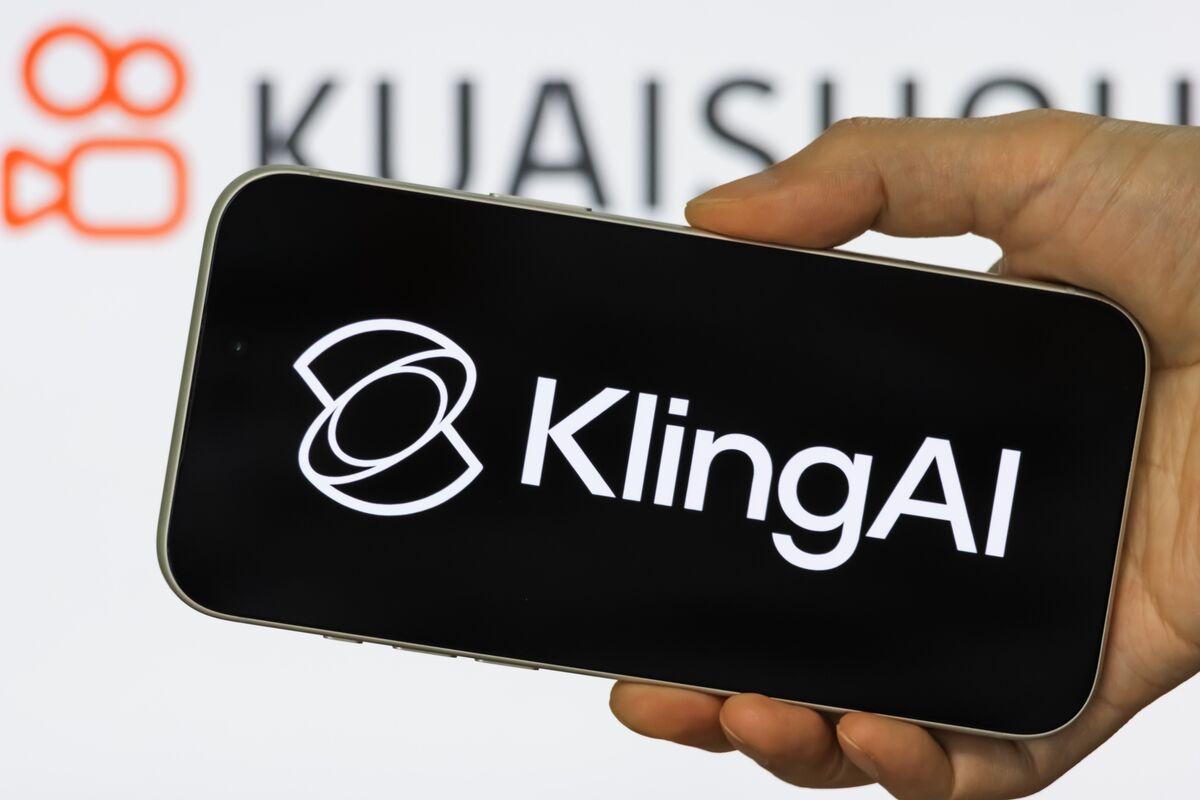
General Atlantic, the U.S. private equity firm known for early bets on Meta and Uber, is in discussions to lead a funding round for Kling AI, the generative video unit of China’s Kuaishou Technology, valuing the unit at approximately $18 billion post-money. Kling AI is seeking to raise more than $2 billion in its first external financing round ahead of a targeted 2027 IPO. Earlier discussions had targeted a $20 billion valuation, but that figure was trimmed to match actual investor appetite. Negotiations are at an early stage.
What YourDailyAnalysis catches in this deal is the specific tension: General Atlantic would be entering China’s highly competitive generative AI arena as an early backer of Kuaishou’s much bigger rival ByteDance, bringing geopolitical layering that goes beyond standard cross-border investment risk. This is a deal that makes sense on the revenue numbers and raises complicated questions on everything else.
The Kling AI product case is legitimate. Kling’s annual recurring revenue grew from approximately $300 million in January 2026 to roughly $500 million by March, driven by the launch of Kling 3.0. The unit generated revenue of over 650 million yuan ($96.2 million) in Q1, up more than 300% year-on-year. Kling competes in generative video against ByteDance’s Seedance, filling a void left by OpenAI’s decision to shutter its rival Sora video service. The commercial use case is real and demonstrably growing.
The regulatory and political context is the complicating variable. China’s government ordered Meta to unwind its $2 billion takeover of Chinese-founded agentic AI platform Manus in April, citing concerns about potential loss of key technology to a geopolitical rival. Benchmark Capital had invested in the same startup a year prior, drawing criticism from U.S. lawmakers. The risk that YourDailyAnalysis dissects in the deal structure is not primarily financial. The risk is that the deal closes, performs commercially, and then becomes the exhibit in a congressional hearing about U.S. financing of Chinese AI infrastructure.
General Atlantic’s strategic history with Chinese tech is deep. The firm backed Kuaishou’s competitor ByteDance in earlier stages and has maintained relationships across the Chinese internet ecosystem through cycles of U.S.-China tension. That history is an asset in navigating the relationship, but it also raises the stakes for any deal that attracts scrutiny: General Atlantic would not be a first-time entrant. It would be a known player making a $2 billion commitment in a company positioned to compete with U.S. platforms globally.
Kuaishou plans to carve Kling out ahead of an IPO. That structure gives General Atlantic an exit pathway and gives Kling the valuation reference point it needs for the public listing. Kling’s ARR trajectory – $300 million in January, $500 million in March – implies meaningful further growth before a 2027 listing if the product continues to execute. The deal that Your Daily Analysis positions as the most important piece of context is the Manus reversal: if Chinese regulators cancelled a $2 billion Meta deal on national technology grounds, they could in principle also complicate foreign investors’ ability to exit a Kling holding.
The generative video market is moving fast enough that the competitive landscape Kling enters an IPO with will differ from the one it navigates today. Kling’s 3.0 model drives enterprise adoption now; by 2027, both U.S. and Chinese competitors will have released additional generations. The window between current performance leadership and IPO is the window in which Kling needs to convert ARR growth into durable customer relationships that survive competitive parity.
Watch for three things: whether General Atlantic formalizes the term sheet and at what valuation, whether other Asia-focused funds join as co-investors rather than lead, and whether U.S. regulatory bodies respond as they responded to previous Chinese AI investment activity. The third variable is the one that could change the deal’s structure even after it is announced. YourDailyAnalysis wraps up with the observation that Kling AI has earned its valuation through revenue rather than vision alone – which makes this deal more defensible commercially than most cross-border AI investments, and no more defensible politically. That distinction between financial and political risk is the one General Atlantic needs to price correctly before committing.