



Air travel across multiple continents has entered a phase of sustained disruption following the closure of critical Middle Eastern aviation hubs, including Dubai, Doha and Abu Dhabi, after the Iran war escalated regional risks. Airlines across Europe, Asia and North America have responded with widespread cancellations, route suspensions and schedule reductions, creating a cascading effect across global connectivity, as YourDailyAnalysis underscores the scale of structural dependency on these transit corridors.
The immediate impact reflects the central role Gulf hubs play in intercontinental aviation. Airports in the United Arab Emirates and Qatar function as high-capacity transfer nodes linking Europe, Asia and Africa, handling tens of millions of passengers annually. Their partial or full shutdown forces airlines to reroute traffic through less efficient pathways, increasing flight times, operational costs and congestion in alternative hubs. Carriers such as Lufthansa Group, Air France-KLM and Singapore Airlines have extended suspensions well into late spring or even October, illustrating expectations of prolonged instability rather than short-term disruption.
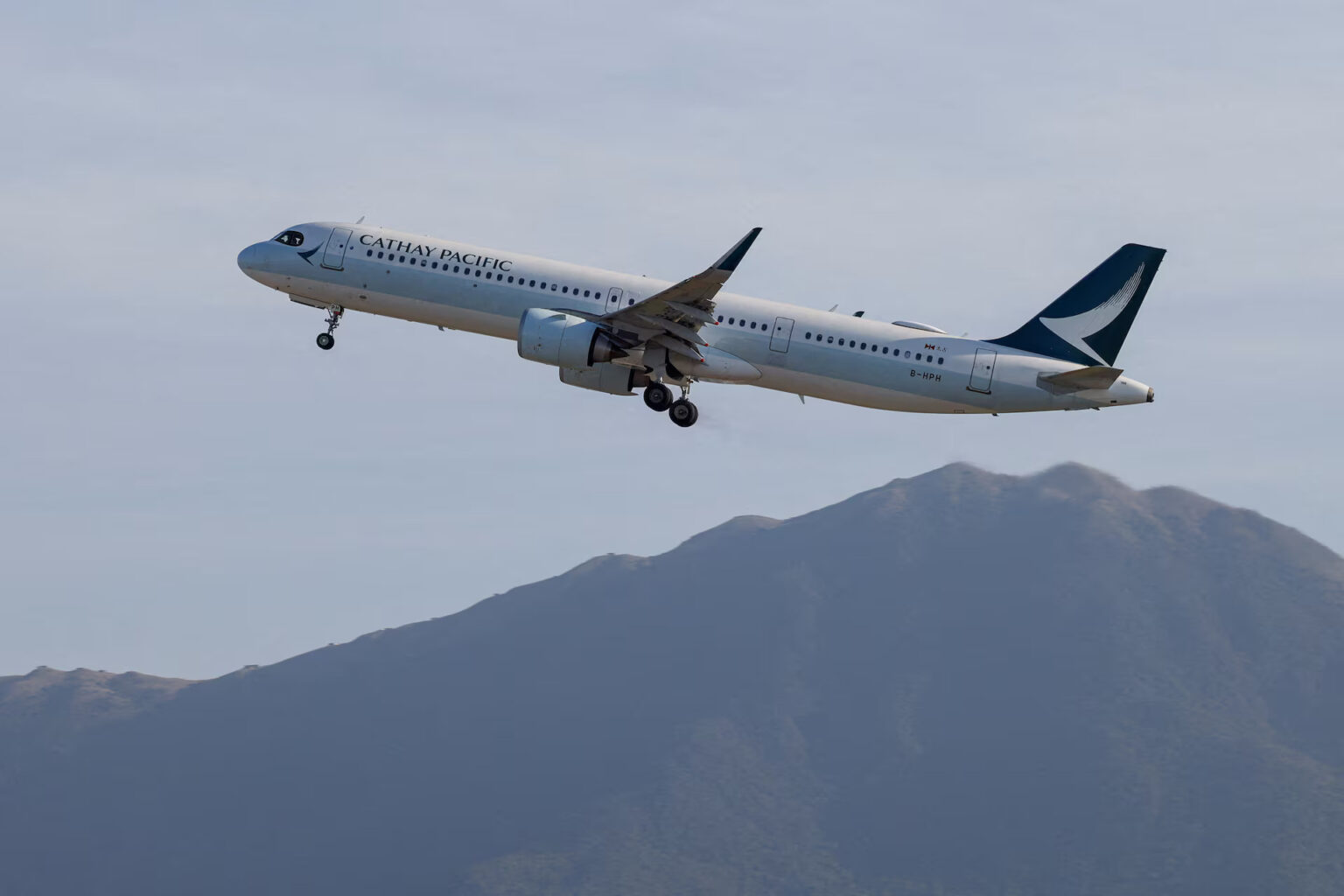
Airlines have not adopted a uniform response. Some, including Cathay Pacific and Qantas, have redirected capacity toward European routes to capture displaced demand, while others such as British Airways and Finnair are permanently adjusting schedules and reducing exposure to volatile regions. YourDailyAnalysis highlights this divergence as an early indicator of strategic realignment within the aviation sector, where crisis response doubles as an opportunity to reshape network priorities.
Operational constraints extend beyond simple cancellations. Avoidance of airspace over Iran, Iraq, Syria and Israel forces carriers to rely on longer flight paths, increasing fuel consumption and limiting aircraft utilization. Cargo operations face parallel challenges, particularly for time-sensitive shipments that depend on Middle Eastern logistics hubs. The resulting inefficiencies compound pressure on airline margins already strained by fuel volatility and post-pandemic demand shifts.
Demand patterns are also shifting in response to the disruption. European destinations are experiencing a surge in traffic as passengers reroute or alter travel plans, prompting capacity increases on routes to cities such as London and Paris. YourDailyAnalysis notes that this rebalancing introduces short-term gains for certain markets while deepening losses in regions directly affected by the conflict, creating uneven recovery trajectories across the industry.
The longer-term implications extend into fleet planning and alliance strategies. Airlines may accelerate diversification of hub reliance, investing more heavily in secondary transfer points or direct long-haul routes that bypass geopolitical chokepoints. Such adjustments require significant capital allocation and coordination within global alliances, particularly as route profitability becomes more volatile under shifting security conditions.
Air travel’s current disruption reveals a deeper vulnerability embedded within global transportation networks – concentration of traffic through a limited number of strategic hubs. Your Daily Analysis frames the situation as a stress test for the resilience of aviation infrastructure, where geopolitical shocks rapidly translate into systemic operational strain. The industry now faces a recalibration phase in which flexibility, redundancy and regional diversification will determine competitive positioning in an increasingly uncertain environment.