


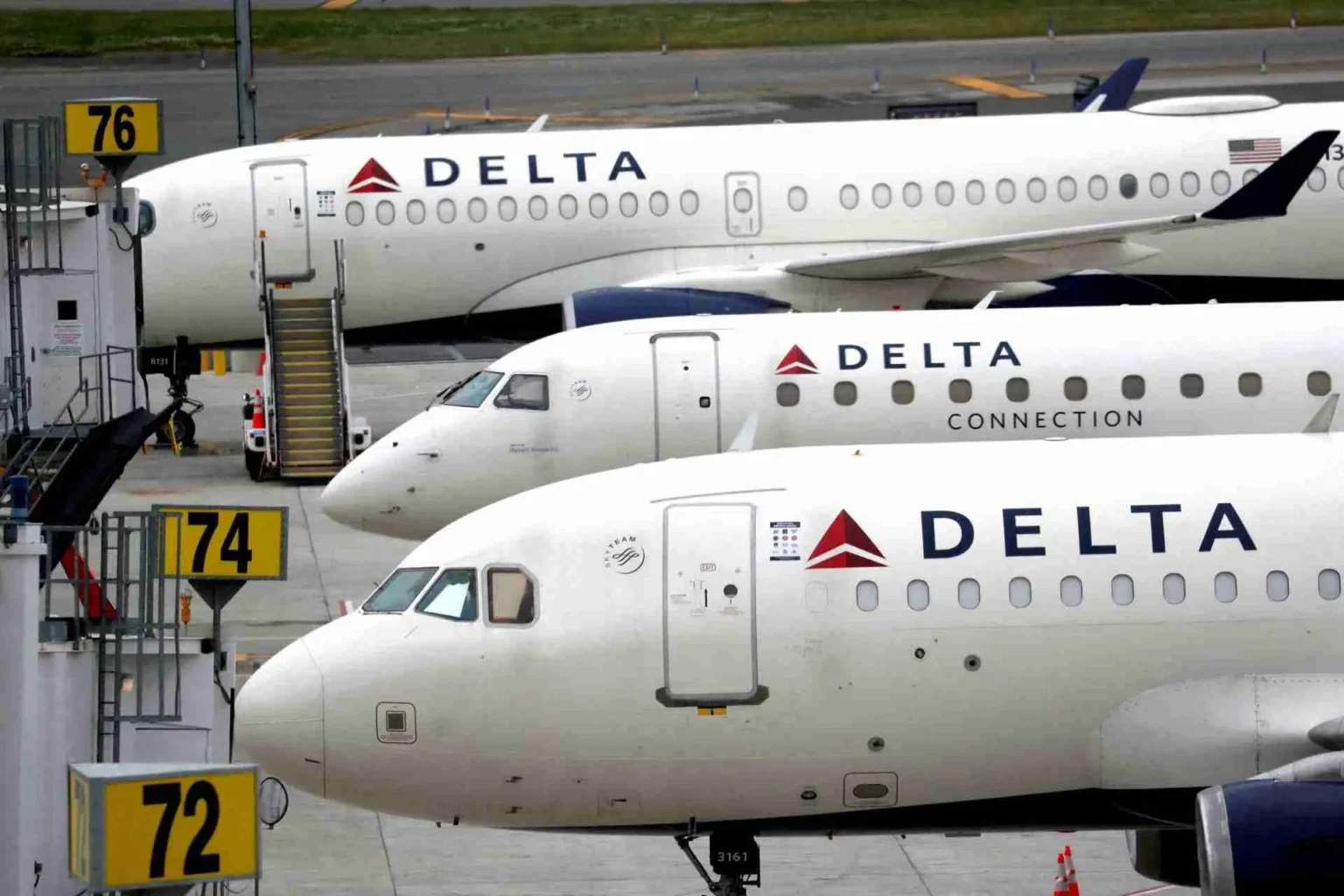
Airlines are no longer treating the Middle East conflict as a temporary disruption that can be managed with a few rerouted flights and schedule adjustments. Capacity reductions, route suspensions and network redesigns now stretch months into the future, reaching far beyond Israel or the Gulf itself. Inside YourDailyAnalysis, attention shifts toward how the aviation industry moves from reactive crisis management into a much deeper reshaping of international traffic flows. The scale of cancellations already touches nearly every major aviation group – from Lufthansa and Air France-KLM to Singapore Airlines and Qantas – while Gulf carriers simultaneously rush to restore capacity and preserve their role as global transit hubs.
What began as a security calculation now bleeds into economics. Airlines do not simply lose passengers when routes disappear; they lose aircraft efficiency, crew productivity and network synchronization. Long-haul aviation depends heavily on timing precision. Once carriers avoid large sections of Middle Eastern airspace, flight durations stretch unpredictably, fuel burn rises, maintenance schedules tighten and airport slot coordination becomes harder to manage. Even routes untouched by direct conflict start absorbing pressure because aircraft rotation systems operate like interconnected machinery rather than isolated lines on a map.
European carriers appear especially vulnerable. Gulf hubs spent decades positioning themselves as the central bridge between Europe and Asia, compressing travel times and concentrating transfer traffic into highly efficient mega-airports. YourDailyAnalysis now follows another tension building beneath the operational chaos – airlines outside the Gulf are trying to reduce geopolitical exposure without surrendering future relevance on Asia-bound traffic corridors. British Airways reducing Middle East exposure while adding capacity to India and Africa hints at something larger than short-term caution. Traffic flows are starting to migrate toward corridors perceived as politically safer and operationally predictable.
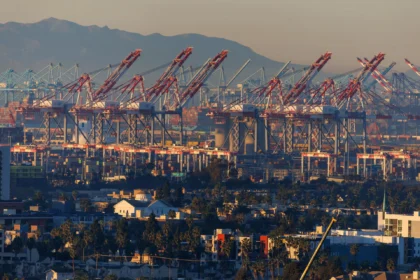
The ripple effects extend into cargo markets as well. Several airlines suspended not only passenger routes but also freight services, particularly into Dubai and Riyadh. That matters more than headline cancellations imply. Air cargo became deeply embedded in high-value supply chains during the post-pandemic years, especially for electronics, pharmaceuticals and time-sensitive industrial components. Once freight networks lose stability, pricing pressure spreads outward quickly. Companies that spent years optimizing inventory systems around rapid international transport suddenly confront longer transit windows and less reliable scheduling discipline.
Some airlines already behave as though the disruption may survive well into the winter season. Flights to Dubai remain suspended by several European carriers until autumn, while others delay route launches indefinitely instead of issuing short rolling suspensions. The editorial focus at Your Daily Analysis drifts toward that subtle linguistic shift because it exposes how corporate planning horizons quietly expand during prolonged geopolitical instability. Temporary pauses usually preserve the assumption of normalization. Indefinite delays signal uncertainty around whether previous demand models still hold.
Aviation markets rarely advertise structural fear openly, yet route maps expose it faster than corporate statements do. Airlines now funnel more traffic into alternative destinations, strengthen intra-regional connections and reduce dependence on politically sensitive corridors even when passenger demand technically exists. YourDailyAnalysis keeps attention on a less visible transformation unfolding beneath the scheduling revisions: global aviation may be moving away from the borderless efficiency model that dominated the industry for decades and toward a harsher system where political geography, military risk and regional fragmentation start dictating commercial logic again.