


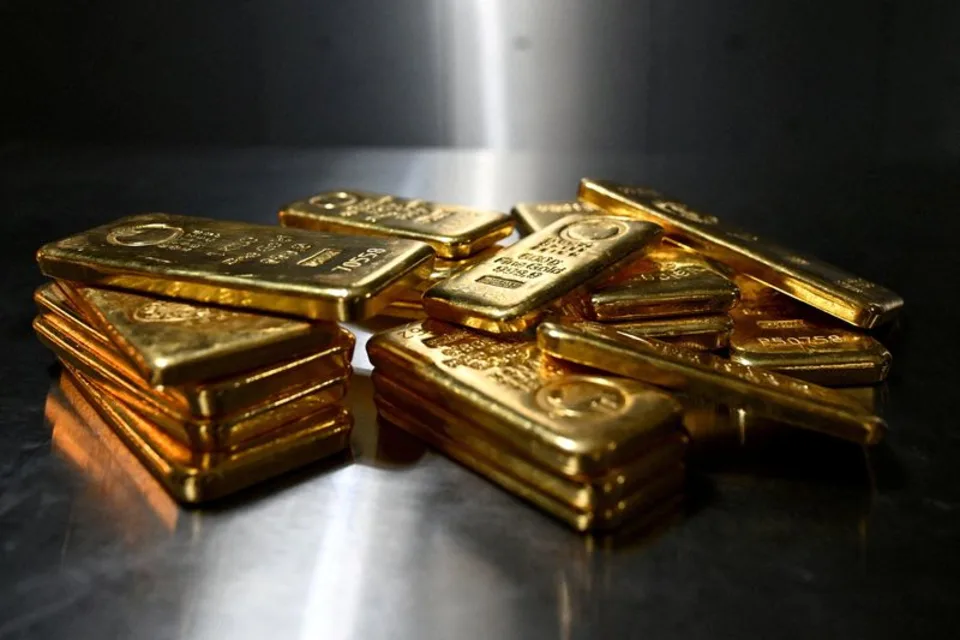
New Zealand is fast-tracking gold mining projects and courting international mining investors as soaring bullion prices revive a sector that had been in structural decline for decades, testing the country’s 100% Pure environmental brand against the economic pressures of near decade-high unemployment and a government looking for ways to lift weakening business sentiment. Gold production is on track to double by the mid-2030s to its highest in at least three decades, supported by two new projects already approved and a third awaiting a final consent decision. The government has set a target of lifting annual mineral exports to NZ$3 billion ($1.8 billion) by 2035. YourDailyAnalysis maps the trade-off at the center of the New Zealand mining debate: the case for expansion is straightforward economics; the case against is a brand built over decades that cannot be rebuilt if damaged.
The permit data tells the story of a government turning toward extraction. New Zealand granted 163 new permits for prospecting, mining and exploring last year, up 16% from the year before. The price signal driving those permits is unmistakable. Gold in NZ dollars hit NZ$8,973 per ounce as a 52-week high in March 2026, against a range that was below NZ$5,500 per ounce a year earlier.
The sharpest debate centers on Central Otago, on New Zealand’s South Island, where Australian-listed explorer Santana Minerals is awaiting consent for its Bendigo-Ophir gold project, with a decision due by October 29, 2026. Santana Minerals CEO Damian Spring cited high-paying regional jobs and government estimates that the project would contribute an average NZ$360 million a year to GDP and directly employ 351 people. YourDailyAnalysis catches the precise tension in the consent process: the economic case is quantified and specific, while the opposition involves benefits that are real but harder to put a number on.
Central Otago’s opposition is not token environmentalism. The region produces internationally recognized Pinot Noir from a premium wine industry built over decades on exceptional soil, climate, and water. Winemakers have raised concerns that an open-cast mine could threaten water supplies and expose vineyards to airborne pollutants.
There is a structural argument for mining that runs deeper than any single project. New Zealand generates agricultural exports and tourism revenue from the same natural assets it is now being asked to put at risk. The country has run persistent current account deficits, and its government needs additional export revenue streams outside the dairy price cycle or international tourism volumes. Gold at record prices is one of the most persuasive cases for resource extraction the government has had in a generation.
Miners see broader potential in the underexplored country. New Zealand’s geological survey data suggests significant unmapped mineral potential. The combination of high gold prices, a fast-tracking permitting regime, and an underexplored geology creates conditions that attract serious exploration capital. YourDailyAnalysis notes the window risk: if the Bendigo-Ophir consent is denied, the signal to international mining investors would slow the pipeline significantly.
The 100% Pure brand anchors New Zealand’s international food and agricultural marketing. Dairy, meat, wine, kiwifruit, and seafood all sell at premium prices in Asian and European markets partly because of the credibility that the clean-image brand provides. Any mining expansion that generates international headlines about environmental controversy imposes a reputational cost on sectors that had nothing to do with the decision.
New Zealand’s regulatory capacity for overseeing a significantly expanded mining industry has not been publicly stress-tested. The argument that responsible mining and premium agriculture can coexist is not inherently wrong.
Watch the October 29 Bendigo-Ophir consent decision as the most consequential data point for New Zealand’s mining expansion ambitions. An approval with strong conditions sets a precedent that encourages the pipeline. A denial forces the government to choose between its extraction revenue targets and its existing regulatory framework. Your Daily Analysis ends on the honest framing: New Zealand is choosing how much of its clean-image premium it is willing to risk in exchange for fiscal relief in a weak economic cycle, and the market for that brand does not negotiate.