


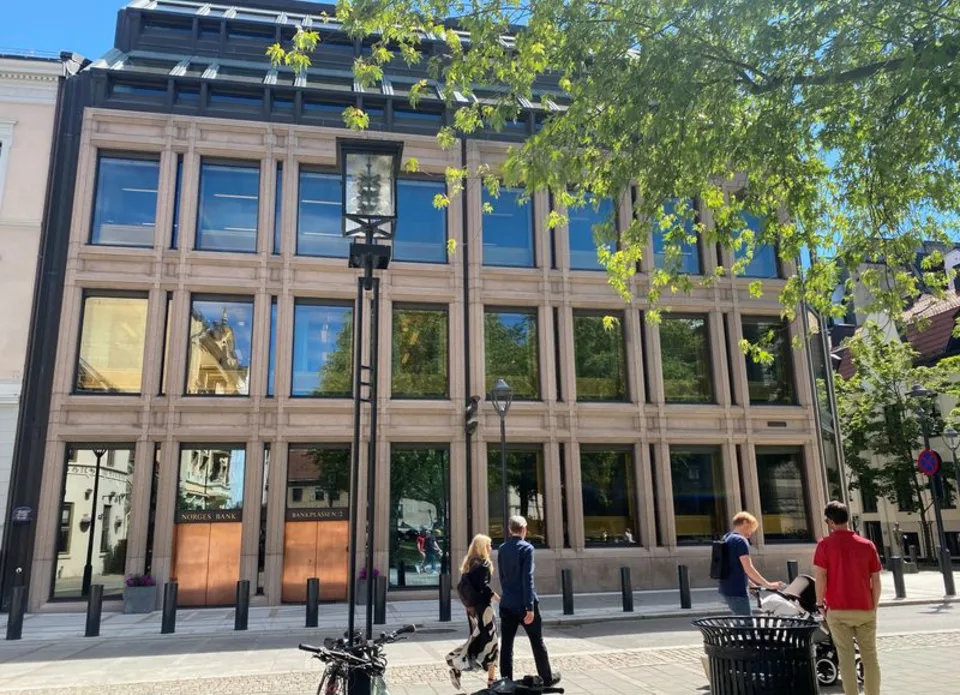
Norway’s sovereign wealth fund, the world’s largest, said Tuesday it signed a deal with retail real estate investment firm Asana Partners for a strategic partnership in which it will own a 49% stake. Norges Bank Investment Management, which manages the fund, said in a statement it has made an equity commitment of $500 million, with the partnership investing in open-air shopping centers and street retail across the U.S.; NBIM signed the deal on June 30. YourDailyAnalysis notes what the fund pointedly avoided: enclosed malls, the format most associated with the retail apocalypse narrative of the past decade. Open-air centers and street retail are a different bet entirely.
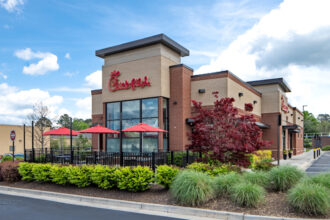
That distinction is the substance of this deal. Open-air shopping centers, typically anchored by grocery stores, pharmacies and service-based tenants that depend on foot traffic rather than destination shopping, have proven far more resistant to e-commerce disruption than traditional enclosed malls. Street retail carries a similar logic: it captures spending tied to daily routines rather than discretionary trips. A 49% stake, just under outright control, is also a specific structural choice – it gives NBIM significant economic exposure and governance influence without taking on full operational responsibility for a U.S. retail portfolio, leaving Asana Partners as the active manager.
The timing sits inside a broader pattern of NBIM increasing its exposure to real assets. Norway’s fund, built on the country’s oil and gas wealth, has spent much of the past decade diversifying into unlisted real estate and infrastructure specifically because those assets behave differently than the fund’s dominant equity and bond holdings during periods of inflation or rate volatility. YourDailyAnalysis reads a $500 million commitment to U.S. retail real estate, at a moment when questions about the format’s staying power have only partly faded, as a signal that NBIM’s internal models see open-air retail as a durable income source rather than a distressed-asset opportunistic play.
There’s also a currency and geography dimension worth flagging. NBIM’s mandate requires it to hold globally diversified assets funded by Norway’s petroleum revenue, and U.S. real estate has long been one of its preferred vehicles for that diversification given the depth and liquidity of the American property market relative to alternatives in Europe or Asia. YourDailyAnalysis treats this deal as consistent with, rather than a departure from, that longstanding allocation logic – the novelty here is the specific format and partner, not the broader strategy of parking petroleum wealth in U.S. commercial property.
What’s not yet disclosed is arguably as important as what is: neither NBIM nor Asana Partners specified which individual properties or markets the initial capital will target, nor the timeline over which the $500 million commitment will be deployed. That leaves the practical impact of the deal, versus its signaling value, genuinely open for now.
Watch for follow-on disclosures about which specific U.S. markets and property types the partnership targets first, and whether NBIM increases its commitment if the open-air retail thesis continues to outperform. Your Daily Analysis sees this deal as a useful real-time indicator of how one of the world’s most conservative, long-horizon investors is positioning for U.S. consumer spending patterns over the next decade, independent of whatever near-term swings retail stocks see.