
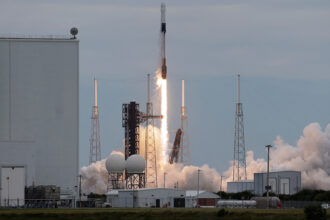

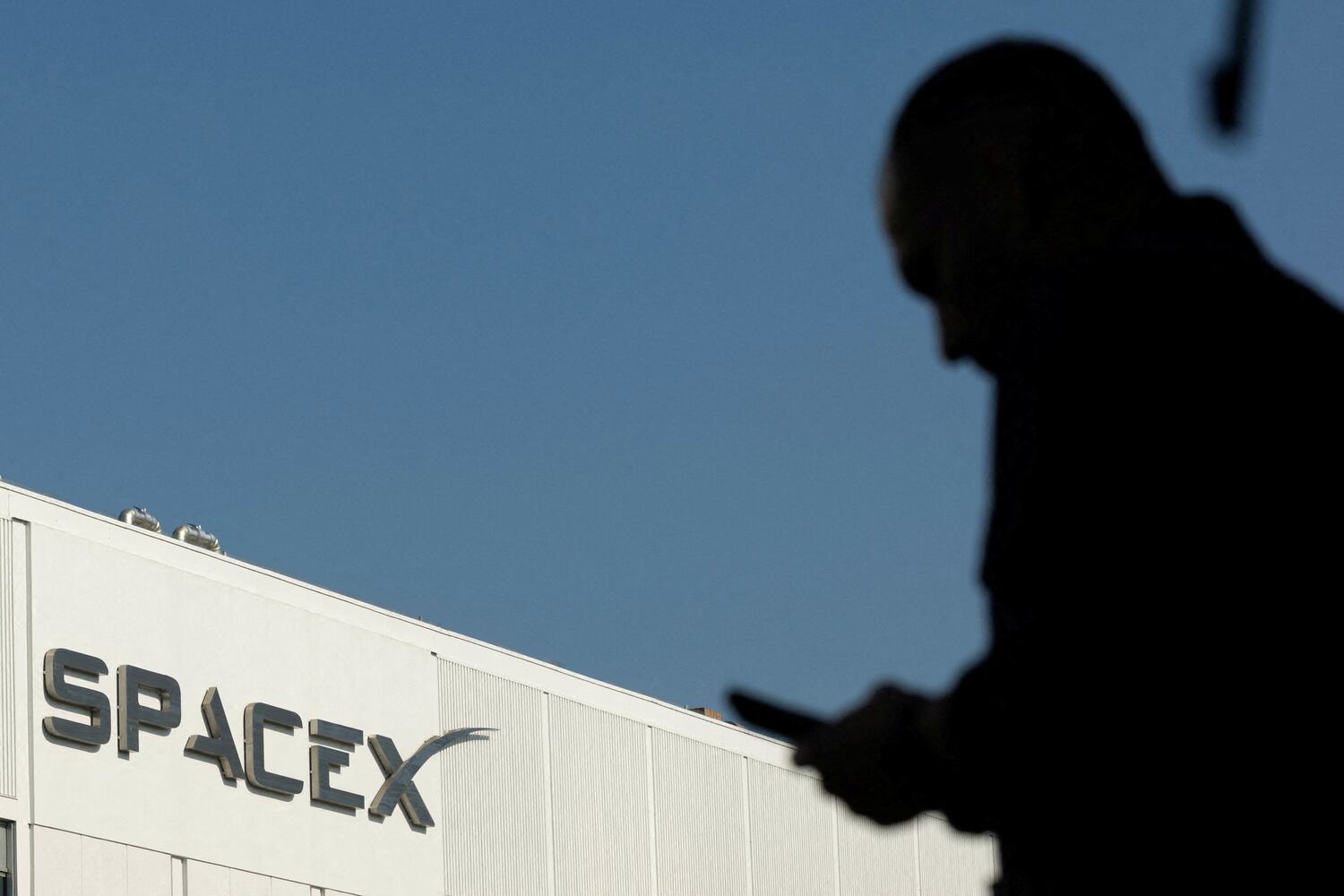
FTSE Russell added SpaceX to its Russell U.S. indexes after Friday’s close on June 27, 2026, as part of its inaugural semi-annual reconstitution. SpaceX entered the Russell 1000 under a new fast-track rule allowing companies to join after just five trading days of listing. Passively managed funds will need to buy approximately $3 billion worth of SpaceX shares to match the Russell indexes they track, according to Jefferies estimates. Combined with parallel MSCI inclusion, total mechanical buying estimates run between $22 and $27 billion. YourDailyAnalysis unpacks the structural mechanics: this is not a discretionary investment decision but a forced purchase by every ETF and index fund benchmarked to the Russell, triggered automatically by index membership.
After its IPO on June 12 at $135 per share, SpaceX surged 67% to an intraday high of $225.64 on June 16 before falling back to $153 by Thursday’s close. The IPO raised $75 billion, the largest in stock market history. At Thursday’s closing price, SpaceX was trading at 107 times its 2025 sales. S&P Global blocked SpaceX from joining the S&P 500, declining to change its longstanding profitability requirement. SpaceX reported a net loss of $4.9 billion in 2025.
The fast-track entry rule generated immediate institutional pushback. The New York City Comptroller’s office wrote a formal letter to the London Stock Exchange Group, noting that FTSE Russell’s own consultation document acknowledged the proposed rule was developed in response to client feedback regarding the projected listing of large IPOs including SpaceX, OpenAI, and Anthropic. FTSE Russell simultaneously waived its 5% minimum free-float and 5% minimum voting rights requirements for fast-track IPOs. YourDailyAnalysis catches the structural conflict: LSEG operates as both a data and analytics business that benefits commercially from attracting large U.S. listings and as the owner of FTSE Russell, which determines when trillions of dollars in benchmarked assets must purchase newly listed securities.
The S&P 500’s refusal to accommodate SpaceX defers the largest potential forced-buying event. Bloomberg Intelligence estimates S&P 500 funds would need to absorb 19% of SpaceX’s public float upon inclusion. That event is delayed to 2027 at the earliest.
SpaceX is also set to be added to the Nasdaq 100 in July 2026, which will force large index funds including the Invesco QQQ ETF to buy its shares. Options contracts expiring on Friday were priced for a share price swing of 3.6% in either direction. The combined Russell and Nasdaq 100 inclusions represent a two-phase mechanical demand event compressed into approximately 30 days.
The Russell 2000 dimension is separately significant. Forty-three companies graduated from the small-cap Russell 2000 to the large-cap Russell 1000 on Friday, including Bloom Energy at a market cap of $87.1 billion, up more than 1,100% over the past year. The Russell 2000 will look and act materially different in the second half of 2026 as a result. YourDailyAnalysis positions the dual-event structure as analytically underappreciated: the SpaceX headlines dominate, but the Russell 2000 graduation class at elevated valuations is a structural composition change that will affect small-cap index returns for months.
The broader question raised by the SpaceX inclusion is whether index rule changes driven by competitive pressure between index providers represent a governance failure in passive investing infrastructure. With approximately $12.2 trillion in investor assets benchmarked to Russell indexes, FTSE Russell’s rule changes effectively obligate trillions of dollars to purchase specific newly public companies at whatever prices the IPO market establishes.
The Nasdaq 100 inclusion in July and the S&P 500 eligibility clock are the two event dates most relevant to SpaceX’s index position before the December 2026 reconstitution. If SpaceX achieves GAAP profitability by mid-2027, the S&P inclusion event becomes a fresh wave of forced buying that market participants will begin pricing in well before it is formally confirmed.
Watch Friday’s closing auction volume in SPCX as the first real-time measure of how concentrated the mechanical buying actually is relative to Jefferies’ $3 billion estimate. Your Daily Analysis forecasts that the most consequential index inclusion event for SpaceX is still ahead: when GAAP profitability arrives and the S&P 500 committee can no longer decline, the forced-buying wave from S&P-tracked assets will dwarf the Russell and Nasdaq 100 events combined.