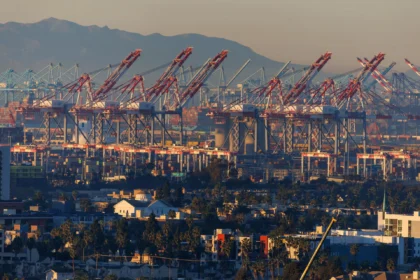



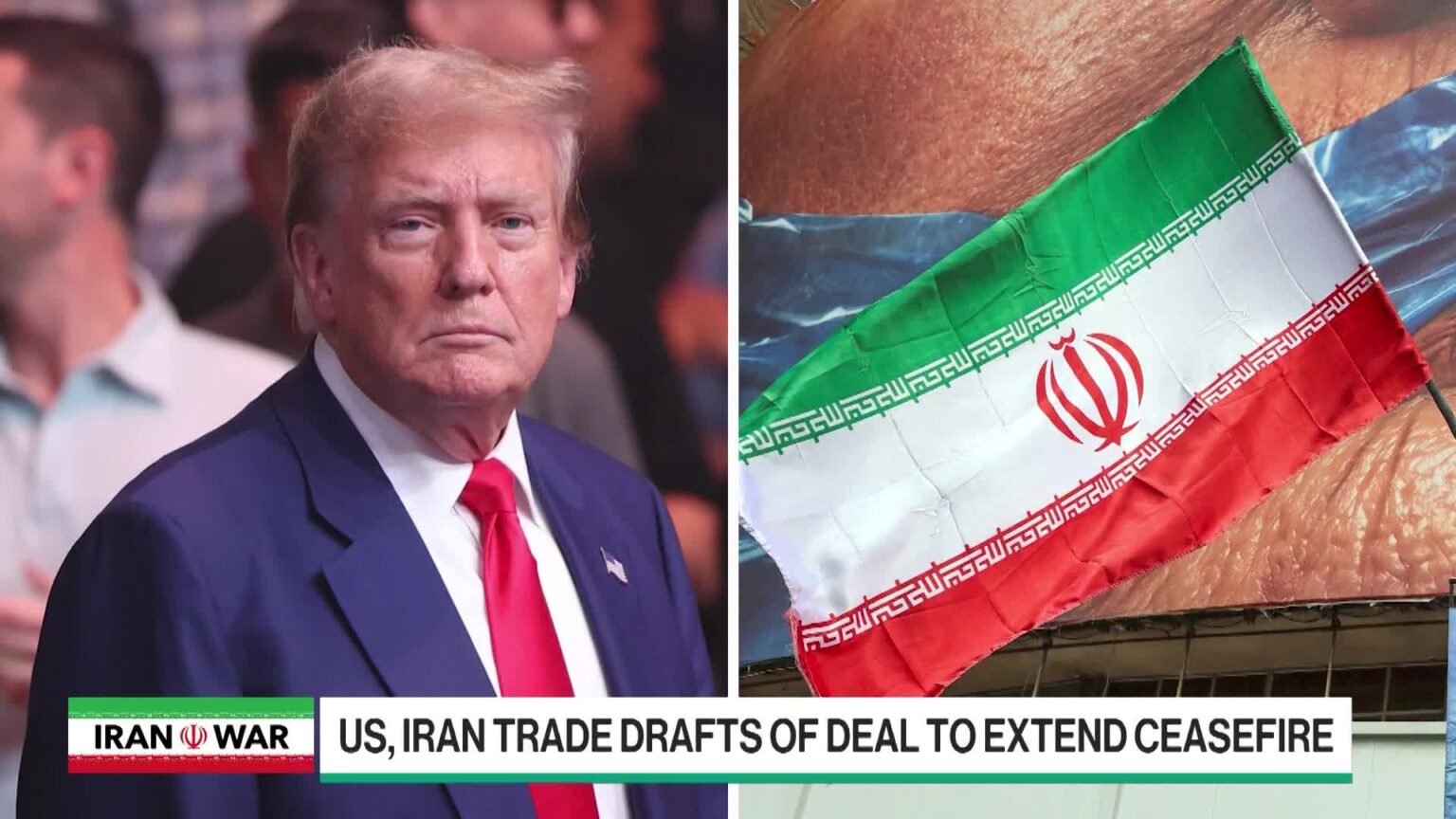
The weekend passed and the draft is still a draft. The U.S. and Iran swapped revised texts over Saturday and Sunday, each side seeking changes to a memorandum that would extend the current ceasefire by 60 days and reopen the Strait of Hormuz – the waterway through which roughly a fifth of the world’s oil supply flows daily. By Sunday evening, neither Washington nor Tehran had moved enough to declare a deal. President Trump, who said Friday in the White House Situation Room that he expected an announcement, posted nothing on the subject all weekend. Defense Secretary Pete Hegseth filled the silence by warning that U.S. forces remained ready to restart strikes. The editors at YourDailyAnalysis frame this as one of the cleaner stress tests of how badly each side actually wants an agreement right now.
The core sticking points are not small. Trump has publicly insisted Iran suspend its nuclear program and treat the Strait as a free international waterway – no tolls, no monitoring conditions. Iran’s semi-official Tasnim news agency, closely tied to the Islamic Revolutionary Guard Corps, said both sides keep proposing amendments but that neither has signed off on a final text. Iranian state media called certain claims about nuclear concessions in the draft fundamentally unfounded. A U.S. official told reporters late last week that a tentative understanding on a 60-day extension and Hormuz reopening was in place but still awaited Trump’s approval. Vice President JD Vance told the press pool: We’re not there yet, but we’re very close. YourDailyAnalysis attributes the impasse to a structural asymmetry: Washington needs an energy-price win before fall congressional elections; Tehran needs guarantees that any deal does not legitimize the regime’s military destruction.
Israel’s simultaneous push deeper into Lebanon complicated the picture. Israeli ground forces crossed the Litani River – roughly 18 miles north of the Israeli-Lebanese border – as the IDF stepped up its campaign against Hezbollah. That escalation raised a secondary question inside the draft talks: whether a Lebanon ceasefire clause belongs in any U.S.-Iran memorandum at all. Iran reportedly wants it included. Washington and Jerusalem do not. This is a genuine three-variable problem: a bilateral U.S.-Iran deal, a separate Lebanese front, and a nuclear file that Washington says must be addressed and Tehran says the current text does not actually touch. Our reporters walked through the semi-official Iranian readout and found at least three points where Tehran’s characterization of the draft contradicts the version described by U.S. officials.
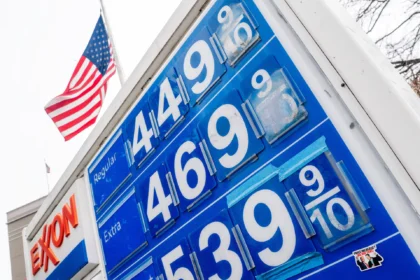
There is a counter-argument worth taking seriously. John Bolton, Trump’s former national security adviser, argued publicly that Trump is prepared to accept an imperfect deal to ease Republican anxiety about pump prices ahead of the midterms. This is a deal about gasoline prices at the pump in the United States, Bolton said. Trump worries, obviously, about the price level. Bolton also warned that if the Iranian regime survives, it will simply use Hormuz revenues to rebuild military and nuclear capacity. That is exactly the logic driving Washington hawks toward regime change over managed de-escalation. YourDailyAnalysis weighs both positions and lands on this: the domestic political clock is real, but it does not automatically produce a durable agreement.
Complicating everything, an Iranian ballistic missile strike on a Kuwaiti air base injured several U.S. service members and destroyed two MQ-9 Reaper drones. Kuwaiti defenses intercepted additional strikes over the weekend. Each military exchange narrows the diplomatic window and widens the gap between what each side can sell domestically as a win. The analysts at Your Daily Analysis pinpoint this escalation loop as the central risk: the more strikes land, the harder it becomes for either leadership to call the resulting deal anything other than capitulation.
Watch three things this week. First, whether Trump breaks his social media silence on Iran – any post will signal whether he has seen a text he can accept. Second, whether Secretary of State Marco Rubio’s meeting with Pakistani Foreign Minister Muhammad Ishaq Dar produces a revised draft; Pakistan remains the key mediator in indirect talks. Third, the oil price. Brent spent Friday at its lowest close since mid-April, then bounced back toward $93 Monday as deal uncertainty returned. That price action is the market’s live read on whether anything is actually moving inside the negotiating rooms.