


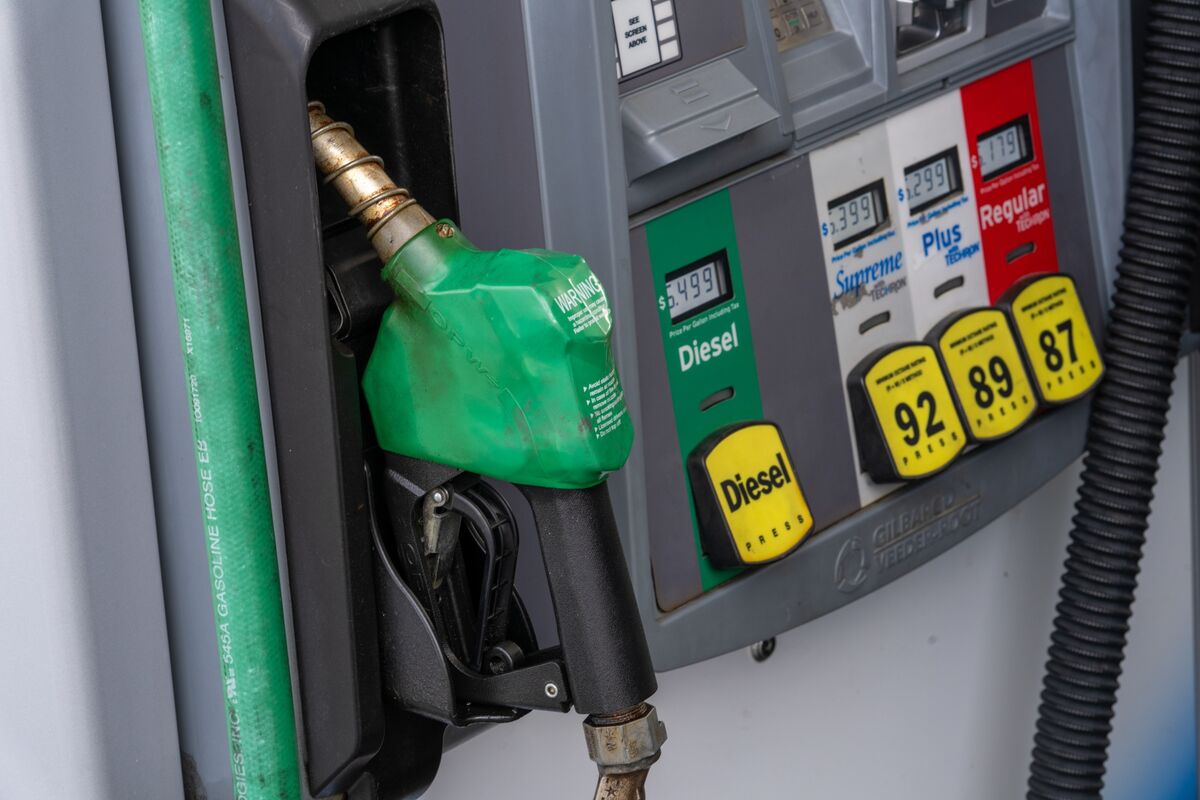
The surge in U.S. diesel prices above $5 per gallon marks a critical turning point where the energy shock is no longer confined to commodity markets but is actively feeding into the real economy. Diesel is deeply embedded in logistics, agriculture, and industrial activity, meaning its price movements tend to transmit quickly into broader inflation. From the perspective of YourDailyAnalysis, this shift signals that the current energy disruption is entering a more economically consequential phase.
The price level itself is significant. Diesel has crossed the $5 threshold for only the second time since 2022, coinciding with severe disruptions in global energy flows due to tensions in the Middle East. At this level, businesses are more likely to accelerate cost pass-through mechanisms. Such pricing does not simply reflect market stress – it actively reshapes pricing behavior across supply chains.
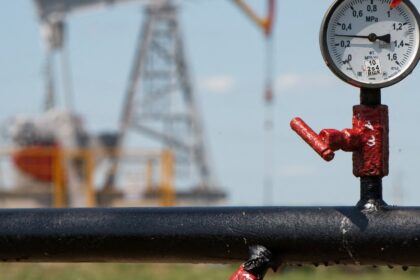
A key feature of the current environment is the divergence between crude oil benchmarks and refined fuel products. While crude prices have risen to around $100 per barrel, diesel and other refined products have experienced sharper increases. This reflects constraints not just in raw supply, but in refining capacity and distribution. The market is signaling a bottleneck in usable fuel rather than a pure shortage of crude oil, which is a more complex and persistent problem.
Diesel’s systemic role amplifies its economic impact. Unlike gasoline, which primarily affects consumers directly, diesel influences transportation costs, food production, and construction activity. YourDailyAnalysis emphasizes that increases in diesel prices tend to cascade through the economy with a lag, eventually affecting a wide range of goods and services.
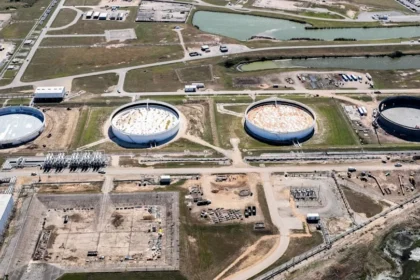
Inventory dynamics further complicate the outlook. While crude oil stockpiles in the United States have shown some increases, inventories of refined fuels such as gasoline and distillates have declined. This imbalance is particularly concerning, as it suggests that the supply of immediately usable fuel is tightening even if crude availability appears stable.
At the same time, global policy responses are reinforcing the pressure. Several countries have begun limiting exports of refined fuels to protect domestic markets. This shift toward energy protectionism reduces the flexibility of global supply chains and intensifies shortages in importing regions. Analysts at YourDailyAnalysis view this as a key accelerant of price volatility, as it fragments what would otherwise be a more interconnected market.
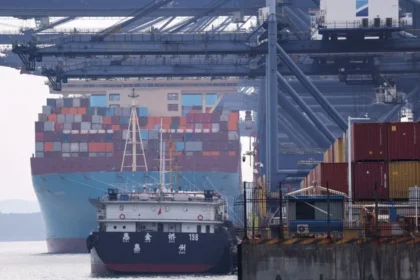
Efforts to reroute oil flows around disrupted shipping lanes have provided only partial relief. While some producers are increasing the use of alternative pipelines, these adjustments cannot fully offset the loss of traditional maritime routes. YourDailyAnalysis suggests that even if crude supply stabilizes, refined product markets may remain constrained due to logistical and processing limitations.
Physical market signals are also pointing to deeper stress than headline prices suggest. Premiums for immediate delivery of crude and refined products have increased, and buyers are actively seeking alternative supply sources. This indicates that the current situation is driven by real supply tightness rather than purely financial speculation.
The implications extend into the political sphere. Rising fuel costs historically carry significant electoral consequences in the United States, particularly when they affect transportation and household expenses simultaneously. Sustained price pressure could prompt policy responses aimed at stabilizing markets, including strategic reserve releases or diplomatic interventions.
The broader macroeconomic risk lies in the potential emergence of stagflationary conditions. Higher energy costs can simultaneously push inflation upward while slowing economic growth. According to Your Daily Analysis, this creates a challenging environment for policymakers, as conventional monetary tools may be less effective in addressing a supply-driven shock.
In conclusion, the rise in diesel prices above $5 per gallon reflects a structural shift in the current energy crisis. The issue is no longer limited to oil prices, but now involves refining capacity, logistics constraints, and policy fragmentation. YourDailyAnalysis expects continued volatility and sustained pressure on key economic sectors, with refined fuel markets playing a central role in determining whether the current disruption evolves into a broader inflationary cycle.