


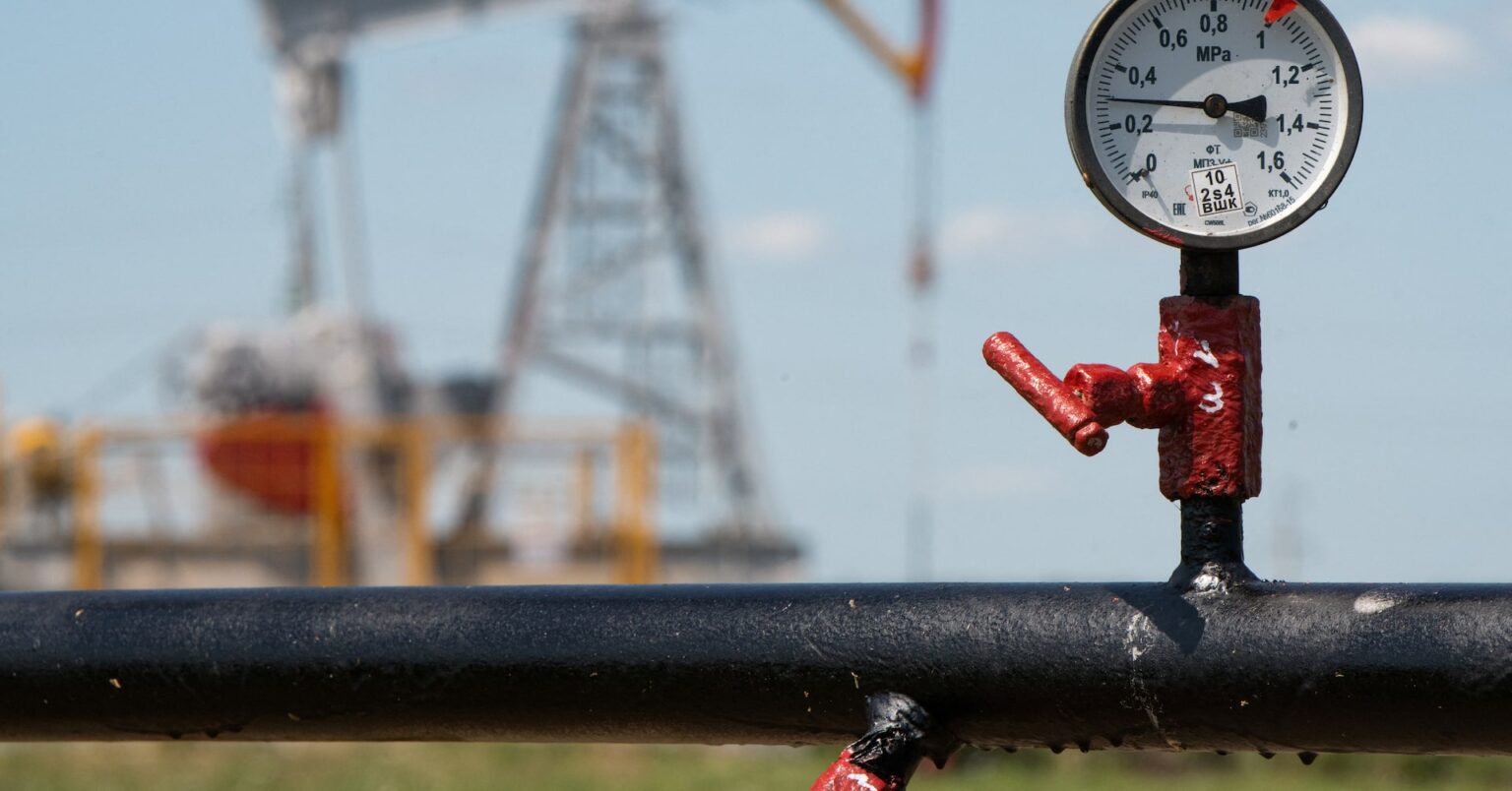
At YourDailyAnalysis, the outcome of the oil market in 2025 looks less like a contradiction and more like a regime shift. Despite a year marked by wars, sanctions, tariff escalation and repeated supply disruptions, prices declined sharply. Brent crude is heading for a drop of nearly 18%, its third consecutive annual loss and the longest sustained period of yearly declines on record. WTI followed with losses of roughly 15%. Price action delivered a clear verdict: geopolitical risk alone no longer guarantees higher prices.
The year began with conditions that would historically have supported a strong risk premium. Tighter sanctions on Russia, escalating fighting in Ukraine, drone attacks on energy infrastructure and a brief but intense Iran-Israel confrontation all triggered rallies. Each proved short-lived. From the market’s perspective, these shocks failed to translate into lasting supply shortages, reinforcing confidence that alternative barrels would remain available.
This pattern is central to how YourDailyAnalysis interprets 2025. Repeated sell-offs following genuine geopolitical stress suggest that traders increasingly view disruptions as manageable rather than systemic. Fear-driven positioning was replaced by balance-sheet logic and surplus expectations.
Supply dynamics ultimately outweighed headlines. OPEC+ accelerated the return of previously withheld production through much of the year, adding close to 3 million barrels per day before agreeing to pause further increases into early 2026. The pause should not be mistaken for renewed discipline. It reflects caution rather than a strategic shift, with the group signalling reluctance to sacrifice market share unless prices fall materially further.
Demand offered little support. Global fuel consumption remained constrained by weaker trade flows, tariff uncertainty and uneven industrial activity. Refiners showed limited urgency to secure supply even during periods of heightened tension. As noted by YourDailyAnalysis, this behaviour points to a change in demand elasticity: the market is no longer pricing scarcity as its base case.
Looking into 2026, surplus expectations dominate. Forecasts consistently show supply exceeding demand by a wide margin, regardless of methodology. Sustained price recovery would require either a clear removal of physical supply or a meaningful acceleration in global growth. Neither condition is currently visible.
Non-OPEC output reinforces this shift. U.S. production has remained resilient, while projects elsewhere stay viable above the mid-$50 range. This effectively lowers the price threshold at which coordinated intervention becomes unavoidable. In our assessment, producers appear willing to tolerate lower prices for longer than markets have historically assumed.
The implication is not an imminent collapse, but a redefinition of how oil prices form. Geopolitical shocks still matter, yet their impact fades quickly without structural tightening. As Your Daily Analysis concludes, oil is no longer trading primarily on fear. It is trading on balance – and until that balance tightens decisively, caution rather than conviction should guide positioning.