

The dispute over whether ships transiting the Strait of Hormuz will pay fees after the ceasefire has escalated into a direct public confrontation between President Trump and Iranian negotiators. Trump said on Wednesday that Hormuz transit fees would be unacceptable and that any deal containing shipping charges would be rejected. Iran’s chief negotiator Mohammad Bagher Ghalibaf has separately stated that management of the Strait of Hormuz will never return to the pre-war situation and described service fees that will take effect after the 60-day negotiating period. YourDailyAnalysis isolates the semantic dispute as the most revealing indicator of where the negotiations actually stand: both sides are trying to claim the same victory, and the language gap is the substantive gap.
The immediate context is a joint statement issued Tuesday by Iran and Oman, which reaffirmed their sovereign rights over their territorial waters but committed to toll-free safe passage. Those two commitments are formally compatible but practically in tension. Whether the joint statement resolves the dispute depends on whether Iran’s definition of service fees falls inside or outside the toll-free commitment.
Trump’s response on Truth Social explicitly escalated the framing. He wrote that there are no tolls, no insurance costs, and no other charges of any kind being sought or received by Iran on ships traveling the Strait of Hormuz, and stated that if this is false information, negotiations would end immediately. Iran’s Foreign Ministry spokesman Esmail Baghaei has said vessels will not pay tolls but will pay service fees for navigation-related activities. YourDailyAnalysis catches the definitional asymmetry as the real dispute: Trump needs to tell domestic audiences there are no charges; Iran needs to tell domestic audiences the strait will never return to pre-war conditions. Both can technically claim victory if the terminology permits.
Secretary of State Marco Rubio called the Strait of Hormuz an international waterway that no nation can control during a tour in the United Arab Emirates. The 1982 UN Convention on the Law of the Sea establishes transit passage rights through international straits. What it does not address is the operational reality that the IRGC set up a toll booth in March that reportedly collected fees from at least some vessels before the ceasefire.
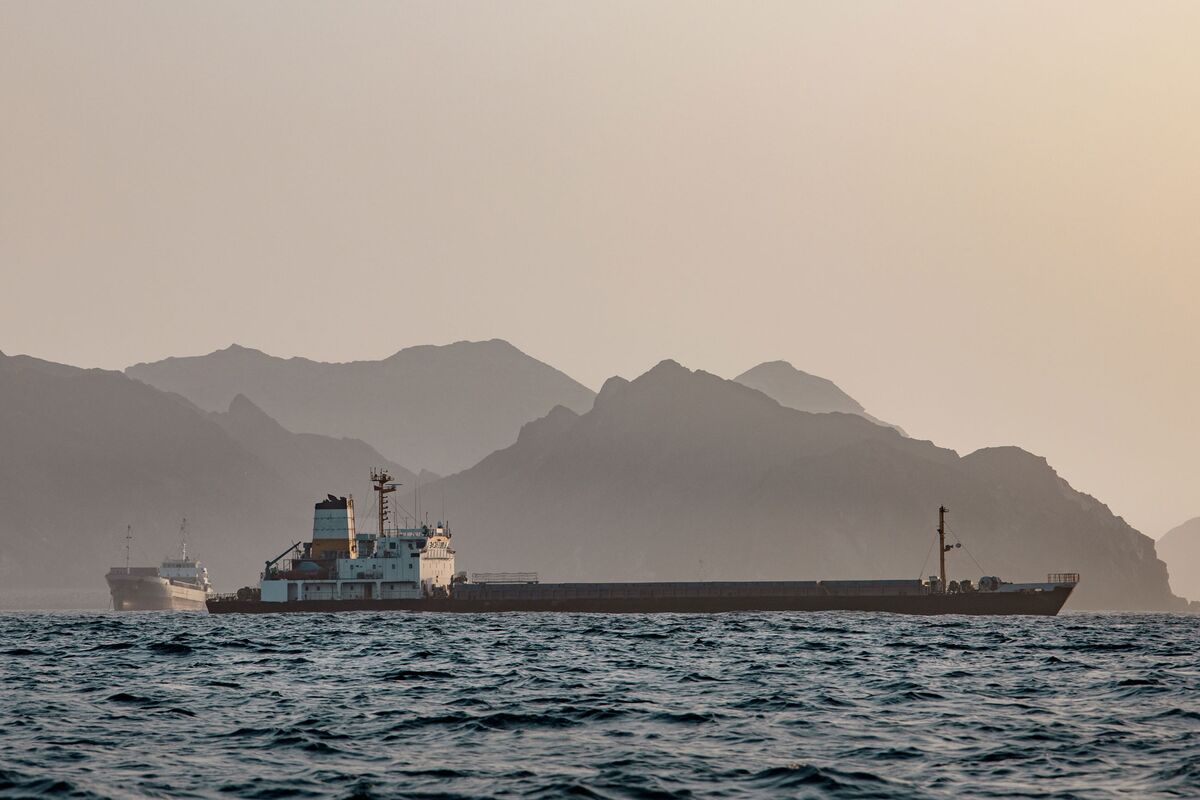
The Strait of Hormuz’s navigable channel passes through territorial waters of both Iran and Oman, not international waters. That geographic fact gives Iran a legal basis to assert sovereign service rights that Trump’s international waterway framing cannot entirely override.
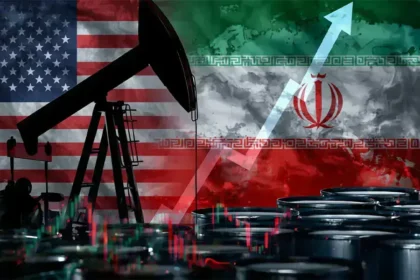
Oil prices returned to approximately $70 per barrel, back to levels last seen before the Iran conflict began. The toll dispute adds a specific risk to that normalization: if Iranian service fees create a new cost layer for tanker operators even after the strait formally reopens, the full freight rate normalization that markets are currently pricing will not materialize. Your Daily Analysis flags the fee dispute as the single most operationally disruptive unresolved element of the reopening: not because the amounts would be large in absolute terms, but because the existence of any per-transit charge fundamentally changes the legal status of the strait.
Iran briefly announced on Saturday that it had closed the strait again, citing a clear breach of the MoU’s commitments in response to continued Israeli operations in Lebanon. U.S. Central Command disputed the closure. A U.S. official said 25 ships were transiting the southern route off Oman per day, with projections to reach 40 to 50 ships per day quickly.
The most important thing to watch is not the toll language but the transit volume data. IMF PortWatch daily transit counts, AIS tracking of tanker movements through designated shipping lanes, and Lloyd’s of London war-risk zone reclassification decisions will tell the real story of whether the strait is open in a commercially meaningful sense.
Verbal assertions by both governments about whether there are or are not fees, charges, or service costs are diplomatically significant and operationally secondary. YourDailyAnalysis ends on the cleanest read available: if ships move, the strait is open regardless of what the fee language says. If ships don’t move, no amount of diplomatic vocabulary about toll-free passage changes the commercial reality.