


Oil markets have once again become the central channel through which geopolitical risk is transmitted into global financial conditions. Recent statements from the United States signaling continued military pressure on Iran have sharply altered investor expectations, pushing crude prices higher and triggering a broader shift toward defensive positioning. From the perspective of YourDailyAnalysis, the market is no longer reacting to isolated headlines, but to a growing belief that disruption may persist longer than previously anticipated.
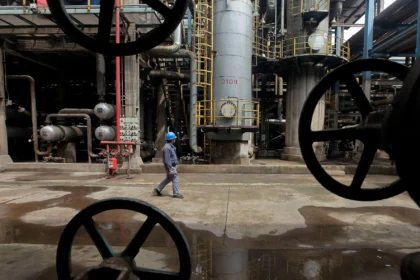
The near 7% surge in oil prices following the latest remarks reflects a significant repricing of risk. Such a move indicates that investors are assigning a higher probability to extended supply disruptions rather than a quick resolution. In practical terms, oil is trading less on current supply-demand balances and more on uncertainty around logistics and security. Analysts at YourDailyAnalysis emphasize that when price reactions of this magnitude follow political communication, it often signals a lack of confidence in near-term stabilization.
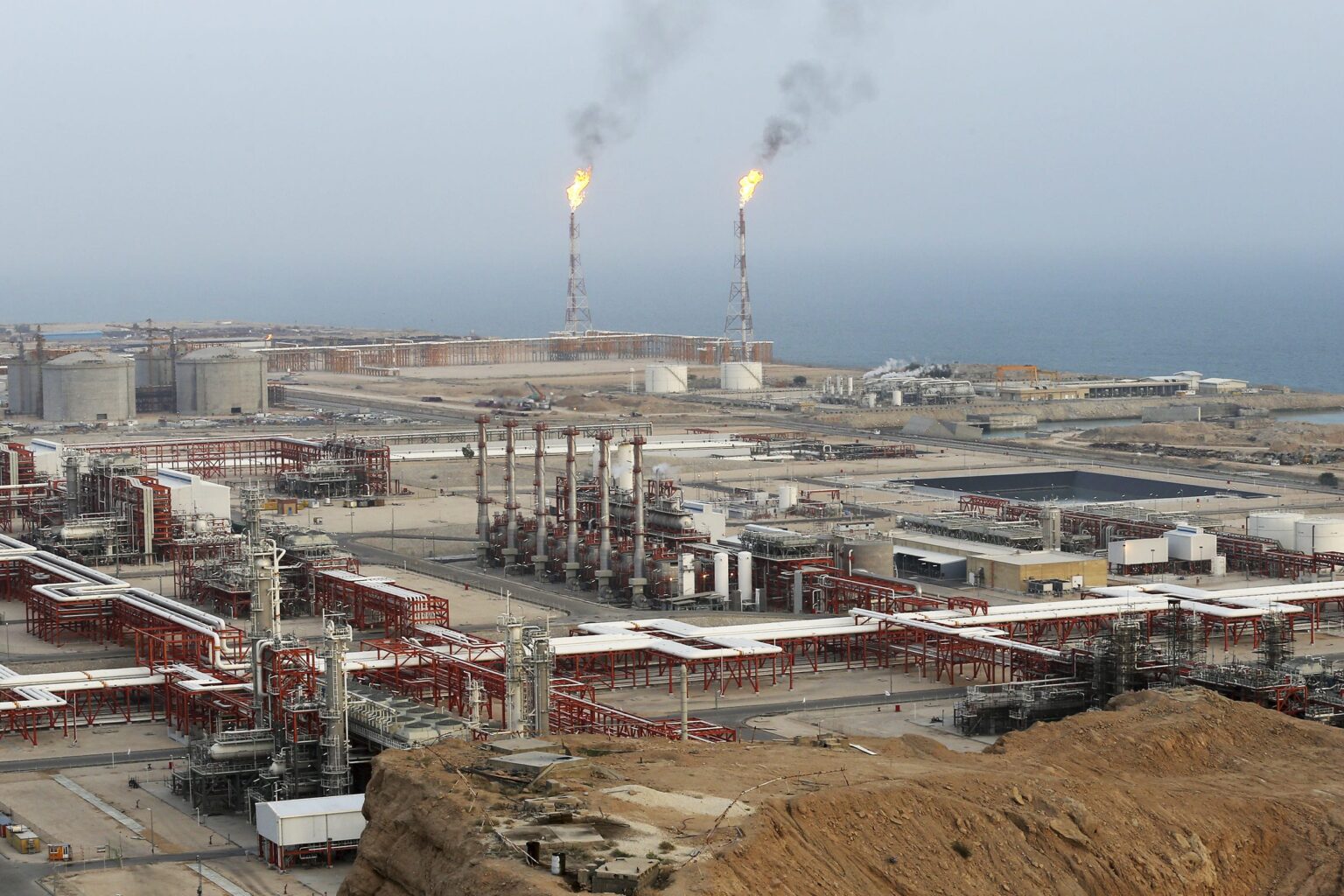
The absence of a clear pathway to reopening the Strait of Hormuz has become a critical concern. This key shipping route plays a central role in global energy flows, and ongoing uncertainty surrounding its accessibility is sustaining a risk premium in oil prices. Without a credible timeline for normalization, markets are likely to assume that elevated prices could persist even if the intensity of military activity declines.
Beyond the energy market, the impact is spreading across asset classes. Equity markets in both Europe and Asia have moved lower, while bond yields have increased, reflecting renewed inflation concerns and reduced expectations for monetary easing. As highlighted by YourDailyAnalysis, this combination points toward a broader macro repricing, where investors reassess not only immediate risks but also the trajectory of global growth and inflation.
Currency dynamics reinforce this shift. The strengthening of the U.S. dollar reflects both safe-haven demand and expectations of tighter financial conditions. A stronger dollar increases pressure on global liquidity and raises the cost of importing energy, particularly for emerging markets. This amplifies the overall impact of the energy shock, extending its influence beyond commodity markets.
Structural risks are also becoming more visible. Disruptions to infrastructure and increased costs associated with shipping, insurance, and transit through key routes suggest that the effects of the conflict could outlast the military phase itself. Even after hostilities ease, logistical constraints and elevated operating costs may continue to support higher energy prices. At the same time, concerns about stagflation are re-emerging. Rising energy costs combined with slowing economic momentum create a challenging environment for both policymakers and investors. According to observations from YourDailyAnalysis, this scenario represents one of the most complex macroeconomic conditions, as it limits the effectiveness of traditional policy responses.
Investor sentiment has shifted accordingly. Earlier optimism around a potential de-escalation has given way to a more cautious outlook, with market participants increasingly focused on duration rather than direction. This change in perspective tends to increase volatility, as positioning adjusts to a wider range of possible outcomes. The broader implication is that markets are transitioning from a “short disruption” narrative to one of prolonged uncertainty. This shift affects pricing across commodities, equities, bonds, and currencies simultaneously. As noted by Your Daily Analysis, the persistence of uncertainty itself is becoming a key driver of market behavior.
The outlook will depend on tangible developments rather than rhetoric alone. Indicators such as actual shipping activity through the Strait of Hormuz, insurance costs for tankers, and the stability of energy supply chains will play a decisive role. As reflected in YourDailyAnalysis, the trajectory of oil prices – and by extension global markets – will be determined less by political statements and more by the restoration of physical flows and operational stability.