

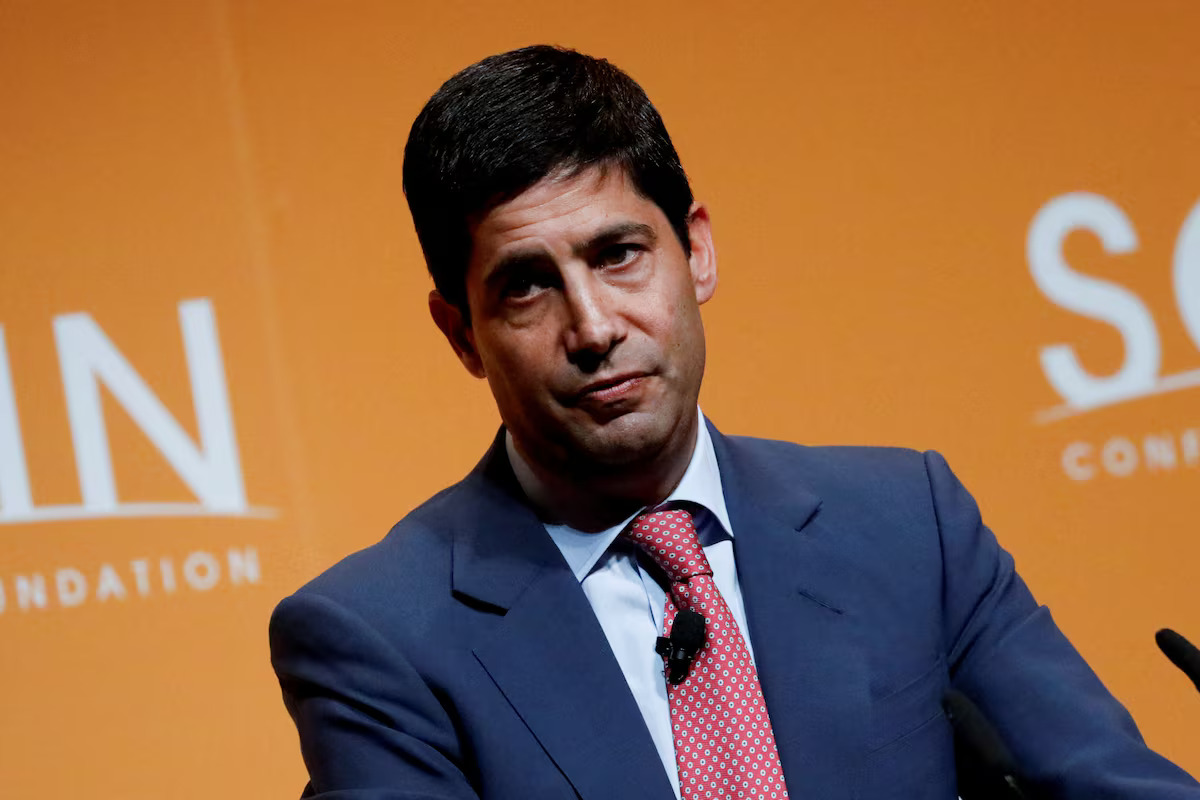
A delicate balance between political authority and central bank autonomy comes into focus as Kevin Warsh prepares to face Senate confirmation hearings, pledging to preserve monetary independence even amid a highly interventionist administration, a tension that YourDailyAnalysis interprets as central to the next phase of U.S. economic governance. His prepared remarks emphasize a dual commitment – safeguarding policy neutrality while maintaining coordination with elected officials on broader institutional responsibilities.
The significance of this assurance extends beyond procedural rhetoric. Federal Reserve independence has long served as a stabilizing anchor for financial markets, particularly during periods of inflationary pressure and fiscal expansion. Warsh’s nomination arrives at a moment when interest rate decisions carry amplified political consequences, with the administration openly advocating for policies that support growth and employment even as inflation risks remain elevated. This creates a structural conflict between short-term political incentives and long-term monetary discipline.
Warsh’s language suggests an attempt to delineate boundaries rather than disengage from political influence entirely. By highlighting cooperation on “non-monetary matters,” he signals openness to alignment on regulatory, financial stability, and institutional issues without conceding authority over rate-setting or balance sheet decisions. YourDailyAnalysis underscores that such framing reflects an adaptive strategy – maintaining formal independence while navigating an environment where executive pressure has become more explicit and sustained.
Markets have historically reacted sharply to any perceived erosion of central bank autonomy. Episodes in which political actors exert influence over rate decisions tend to trigger volatility in bond yields, currency valuations, and equity risk premiums. Warsh’s confirmation process therefore carries implications that extend into asset pricing and capital allocation. YourDailyAnalysis emphasizes that credibility – not just policy outcomes – will determine how investors interpret the Federal Reserve’s future trajectory under new leadership.
The broader institutional context adds further complexity. The Federal Reserve operates within a framework that balances congressional oversight with operational independence, yet recent years have seen increasing scrutiny from lawmakers on both sides of the political spectrum. Calls for greater transparency, accountability, and alignment with fiscal priorities have intensified, creating a landscape where the boundaries of independence are continually tested rather than assumed.
Warsh’s prior experience within the Federal Reserve system positions him as both an insider and a reform-minded figure, capable of articulating institutional continuity while accommodating evolving expectations. His confirmation hearing will likely probe not only his stance on interest rates but also his tolerance for political engagement in areas such as financial regulation and crisis response. The outcome of this nomination process will shape perceptions of whether the Federal Reserve can sustain its traditional role as an apolitical authority in an increasingly politicized environment. Your Daily Analysis frames this moment as a structural inflection where the credibility of monetary governance hinges less on formal declarations and more on the practical ability to resist or absorb external pressure without compromising policy integrity.