


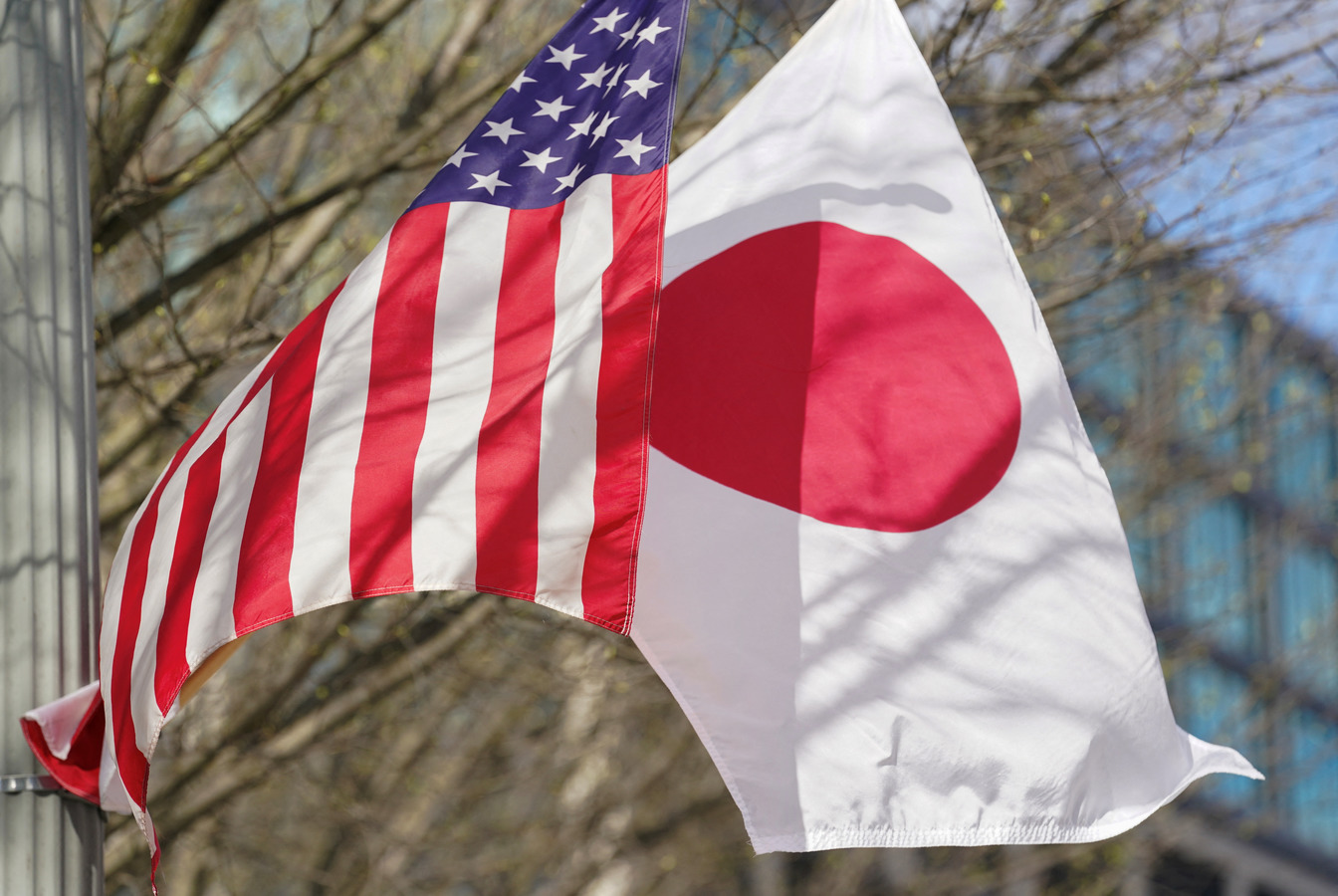
Japan has moved from pledge to execution, locking in a $2.2 billion loan package tied to the opening tranche of its massive U.S. investment program, a shift that begins to translate trade concessions into physical assets on American soil. The tariff reduction to 15% created the political space for the arrangement, yet the financing structure carries its own weight, as YourDailyAnalysis frames it – not simply capital deployment, but a negotiated flow of influence embedded in infrastructure.
The mechanics reveal a layered design. Roughly one-third of the funding comes through the state-backed Japan Bank for International Cooperation, while the remainder flows from major private lenders, their exposure softened by insurance guarantees. That blend of public backing and private execution avoids overreliance on sovereign balance sheets, but it also binds Japan’s largest financial groups into a long-duration commitment where returns depend as much on policy stability as on project performance.
What stands out is the composition of the initial projects. An oil export facility in Texas, a synthetic diamond plant in Georgia, and a gas-fired power station in Ohio – each touches a different nerve of the industrial system. YourDailyAnalysis treats this spread less as diversification and more as deliberate positioning across energy security, advanced materials, and baseload generation. The selection quietly aligns with sectors where the U.S. seeks resilience yet still invites external capital to accelerate timelines.
The revenue-sharing formula adds another layer of asymmetry. Early-stage cash flows split evenly may appear balanced, though the structure pivots sharply once predefined thresholds are met, redirecting the overwhelming majority toward the U.S. economy. That shift alters the long-term payoff profile for Japan, effectively front-loading diplomatic gains while back-loading financial concessions. YourDailyAnalysis draws attention to the implicit trade – market access and tariff relief exchanged for a subordinate claim on future earnings.
There is also a timing dimension that complicates the picture. Capital is entering projects that depend on stable energy demand and industrial expansion at a moment when global growth signals remain uneven. A downturn would not unwind the agreements, but it would stretch return horizons and test the durability of the guarantees underpinning private participation. Your Daily Analysis captures this tension as a quiet risk embedded beneath the headline figures, where political certainty contrasts with economic variability.
The arrangement reshapes expectations around cross-border investment deals. It does not resemble traditional foreign direct investment driven purely by profit, nor does it sit comfortably within aid or alliance frameworks. Instead, it forms a hybrid where capital, policy, and strategic alignment move together – and where control over future cash flows becomes as significant as the assets themselves.