


US factory output posted an unexpected gain in December, offering a brief reprieve after months of uneven performance. While headline growth surprised markets, the underlying composition of the data points to a more fragile industrial backdrop. As YourDailyAnalysis notes, the improvement was driven by narrow segments rather than broad-based momentum, reinforcing concerns that the manufacturing cycle remains constrained despite selective tailwinds.
Industrial production rose modestly in the month, defying expectations of a contraction. However, quarterly figures tell a less encouraging story. Output declined in the fourth quarter after a strong third-quarter rebound, underscoring how short-term gains continue to mask weakening trend dynamics. Tariff-related distortions remain a key factor, shaping production decisions unevenly across sectors and complicating investment planning.
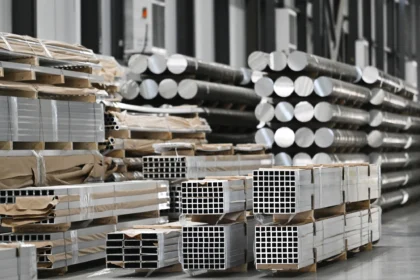
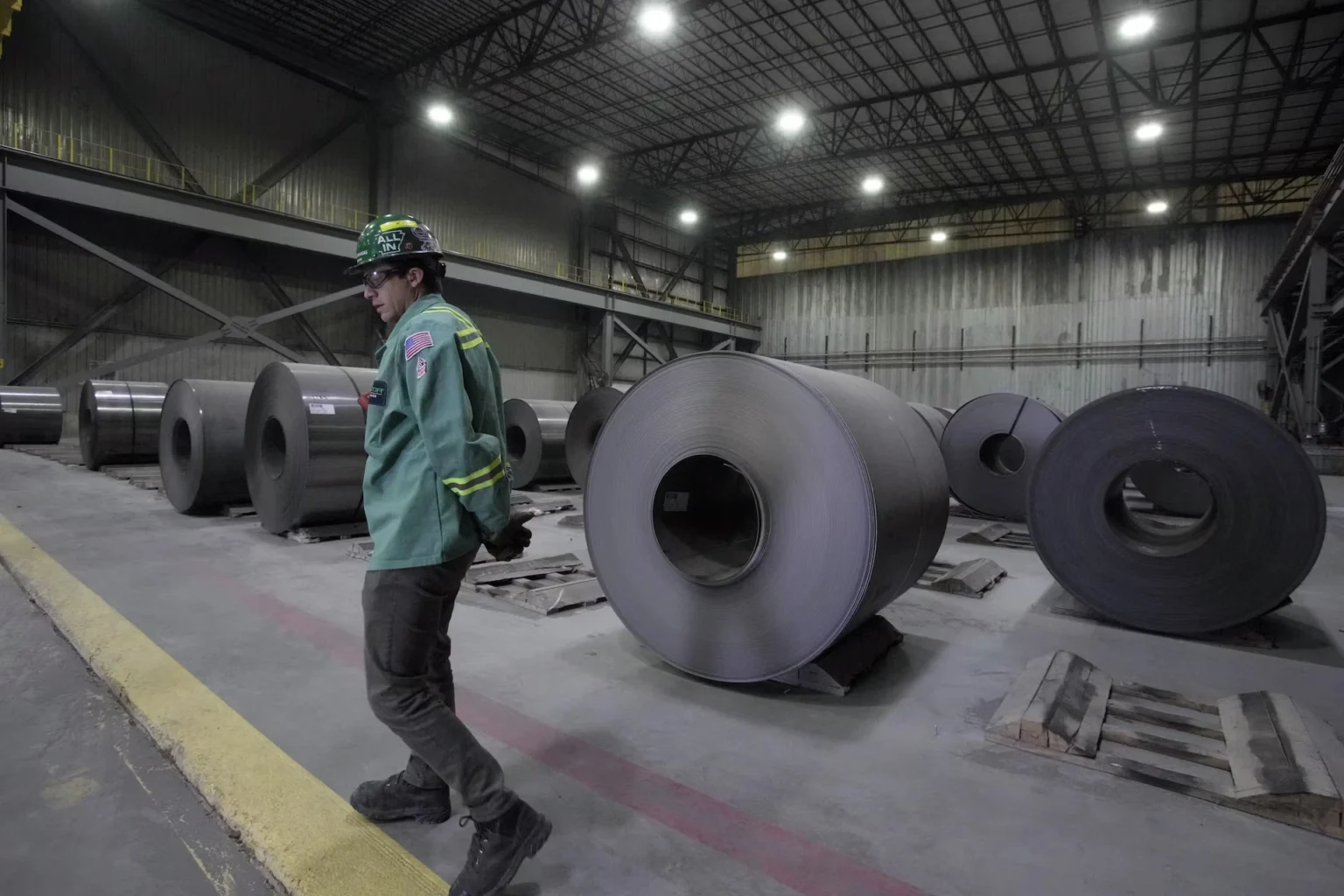
The strongest contribution came from primary metals, where output rose sharply amid sustained protection from import competition. From an analytical standpoint, YourDailyAnalysis views this as policy-supported growth rather than demand-led expansion. While tariffs have improved pricing power for domestic producers, they have also raised input costs downstream, limiting spillover benefits for the broader manufacturing ecosystem.
By contrast, the auto sector continued to deteriorate. Vehicle production declined for a fourth consecutive month, reflecting softer consumer demand, elevated borrowing costs, and supply-chain frictions. Historically, prolonged weakness in autos has signaled broader industrial slowdowns, making this trend particularly relevant for assessing cycle durability. Employment figures reinforce this caution, with manufacturing payrolls continuing to contract despite targeted fiscal incentives.
Utilities output rose strongly due to weather-related demand, while mining activity softened after a prior rebound. These swings inflated aggregate production figures without materially improving the medium-term outlook. As Your Daily Analysis emphasizes, such volatility-driven contributions should not be mistaken for structural recovery.
Taken together, December’s data suggest resilience at the margins but not a decisive inflection. Structural constraints – labor shortages, capital discipline, and trade policy uncertainty – continue to cap upside potential. Tariffs may protect specific industries, yet they also compress margins and discourage long-horizon investment across integrated supply chains.
In conclusion, the December uptick reflects tactical stabilization rather than cyclical renewal. For YourDailyAnalysis, the central takeaway is that US manufacturing remains highly segmented: strength persists where policy shields pricing, while demand-sensitive sectors struggle to regain traction. Without clearer resolution on trade policy and labor capacity, industrial growth is likely to remain volatile and uneven well into the year.