



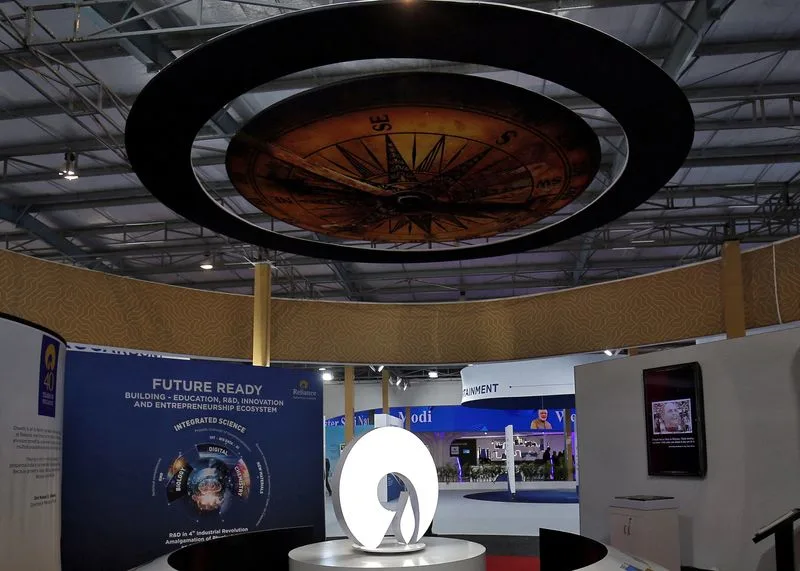
India’s federal investigation into alleged bribery linked to drone import approvals has drawn unexpected attention to Asteria Aerospace, a relatively low-profile subsidiary of Reliance Industries. The case, which involves arrests of officials from the aviation regulator and a Reliance executive, signals regulatory vulnerabilities in a sector positioned as strategically critical; YourDailyAnalysis tracks how the episode exposes friction between rapid technological expansion and institutional oversight. Reliance has denied knowledge of any illicit payments, while legal proceedings continue to challenge the basis of the arrests.
The development unfolds against the backdrop of India’s accelerated push into drone adoption following regulatory liberalization in 2021. The policy shift transformed the domestic landscape, enabling deployment across agriculture, infrastructure monitoring, and public administration. With approximately 39,000 drones now permitted nationwide, the sector has evolved from experimental use into a functional layer of economic activity. Asteria Aerospace positioned itself within this transition by offering data-driven services that convert aerial imagery into operational intelligence for industries ranging from telecom to oil and gas.
The company’s trajectory reflects broader industrial consolidation trends. Founded in Bengaluru in 2011, Asteria remained niche until Reliance acquired it in 2019 as part of a wider strategy to capture emerging digital and hardware ecosystems. Its integration into Jio Platforms – which controls a majority stake – aligns drone capabilities with telecommunications infrastructure and data services. YourDailyAnalysis identifies this alignment as a critical lever, allowing conglomerates to embed aerial analytics into integrated service stacks, thereby extending their influence across multiple sectors simultaneously.
Regulatory certification has played a decisive role in shaping competitive positioning. India’s Drone Rules 2021 require strict approval processes, making access to certification both a compliance necessity and a market differentiator. Asteria’s achievement of multiple certifications elevated its profile, while also concentrating scrutiny on how such approvals are obtained. The current investigation, centered on relatively modest alleged payments, raises disproportionate concerns because it touches the integrity of the approval system itself. YourDailyAnalysis notes that even limited irregularities can distort market access in sectors where licensing acts as a gatekeeper.
Financial data underscores the scale of expansion underway. Asteria’s revenues surged from minimal levels in 2020 to several hundred million rupees within four years, reflecting both organic demand and the advantages of operating within a large corporate ecosystem. This growth coincides with Reliance’s broader ambition to scale Jio Platforms ahead of a potential public offering, where emerging technology units contribute to valuation narratives. Any regulatory controversy therefore carries implications beyond operational disruption, extending into investor perception and strategic positioning.
The investigation introduces a structural challenge for India’s drone ambitions. Rapid scaling of high-tech sectors often outpaces the maturity of oversight frameworks, creating points of vulnerability where compliance and commercial incentives intersect. If enforcement actions intensify, companies may face tighter scrutiny on procurement, certification, and data usage, potentially slowing innovation cycles. Your Daily Analysis emphasizes that regulatory credibility – rather than speed of adoption – will determine whether the sector sustains long-term growth without reputational setbacks.