


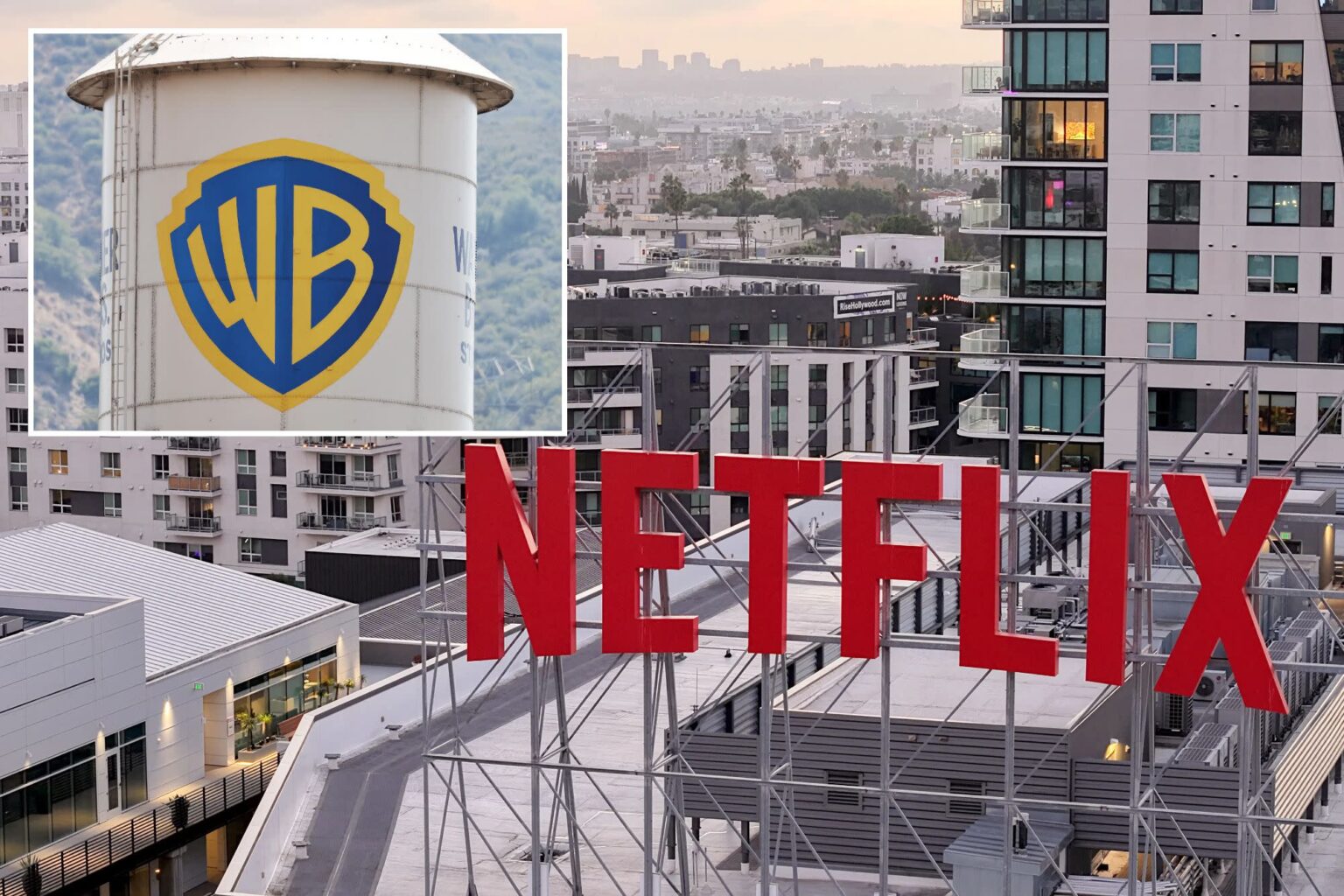
Moments that have the power to reshape an entire entertainment landscape are rare, yet the ongoing bidding war for Warner Bros. Discovery feels precisely like that. As we at YourDailyAnalysis reviewed the latest developments, it became clear that the company is now deep into a second round of offers from the biggest forces in global media – Netflix, Paramount Skydance and Comcast. Each bid reflects a distinctly different strategic vision, and the collision of these visions is turning the auction into one of the most consequential media battles in years.
According to people familiar with the negotiations, Netflix has submitted a predominantly cash offer and is assembling a bridge-financing package worth tens of billions of dollars – a striking shift for a company historically cautious about massive acquisition-driven leverage. As we note at YourDailyAnalysis, Netflix is essentially betting that controlling the Warner Bros. studio, its franchise library and the HBO Max platform could secure the company’s dominance in the streaming era for the next decade.
Paramount Skydance, meanwhile, is advancing a full-company takeover bid covering everything – cable networks, film and TV production, news divisions and streaming. Backed by the Ellison family’s capital, debt financing from Apollo and additional support from Middle Eastern funds, Paramount is positioning itself to create a vertically integrated media empire on par with Disney. In our assessment, this is a high-stakes “all-or-nothing” strategy aimed at reclaiming scale and relevance in an increasingly consolidated ecosystem.
Comcast has taken a more surgical approach. Its offer targets only the core assets – the Warner Bros. studios and the HBO Max streaming platform – leaving aside the cable channels that have become a strategic burden in the cord-cutting era. This path avoids regulatory complexity and allows Comcast to reinforce its content portfolio without assuming the liabilities of linear television. At YourDailyAnalysis, we see this as the most structurally disciplined bid on the table.
Warner Bros. Discovery itself has signaled its expectations: the company wants $30 per share, and honorary chairman John Malone publicly stated that such a valuation is “possible.” The stock has already climbed toward that benchmark, lifting WBD’s market value to roughly $60 billion, but insiders say none of the bids submitted so far are considered final. As we observe at YourDailyAnalysis, the board appears focused not only on price but on shaping the company’s future architecture – leaving room for yet another improved offer if the terms justify it.
One of the most consequential elements of any deal is Warner’s internal restructuring plan. Should Netflix or Comcast prevail, WBD intends to proceed with spinning off its cable channels into a new standalone company called Discovery Global as early as mid-next year. This split would effectively divide the business into a pure content-and-streaming operation and a legacy linear-TV group. From our perspective, this suggests the company was preparing for a major transformation long before the auction heated up.
Still, risks loom large. A Netflix–Warner Bros. combination would draw intense antitrust scrutiny in the U.S. and Europe, reshaping the competitive balance of streaming and film production. Paramount’s full-scale bid would face an entirely different set of regulatory challenges due to its reach across streaming, cable, studios and news. Comcast’s narrower ambitions might offer the smoothest regulatory path, but even there, oversight will be significant.
Our projections at YourDailyAnalysis point to one scenario emerging as the most feasible: a partial sale of WBD to either Netflix or Comcast. This outcome minimizes political and regulatory complications, accelerates deal closure, and facilitates the planned spin-off of cable networks. Paramount remains a contender, but its bid is structurally more complex and more vulnerable to regulatory roadblocks.
For investors, the critical variables are the financing structure behind Netflix’s bid, Paramount’s debt tolerance and the future operating model proposed for HBO Max. For Warner Bros. Discovery, the decision hinges on choosing a buyer who can deliver not only a compelling valuation but also long-term stability for its creative and streaming businesses.
That is why we at Your Daily Analysis continue to track every development in this unfolding contest. The outcome of this auction may become one of the most significant shifts in media ownership in over a decade – and set the tone for how content, platforms and entertainment power will be distributed in the years ahead.