



Start with the geography. Greenland sits where the Arctic scramble meets the West’s desperate push to reduce rare earth dependence on China – and the Tanbreez deposit in its southern tip is among the largest known concentrations of heavy rare earth elements anywhere on the planet. On May 20, 2026, Critical Metals Corp (Nasdaq: CRML) and REalloys Inc. (Nasdaq: ALOY) converted a non-binding letter of intent into a definitive 15-year offtake agreement covering 15% of monthly Phase 1 production from the Tanbreez project. YourDailyAnalysis frames this not just as a supply contract, but as a structural wager on who controls the rare earth supply chain feeding U.S. defense and advanced manufacturing for the next generation.
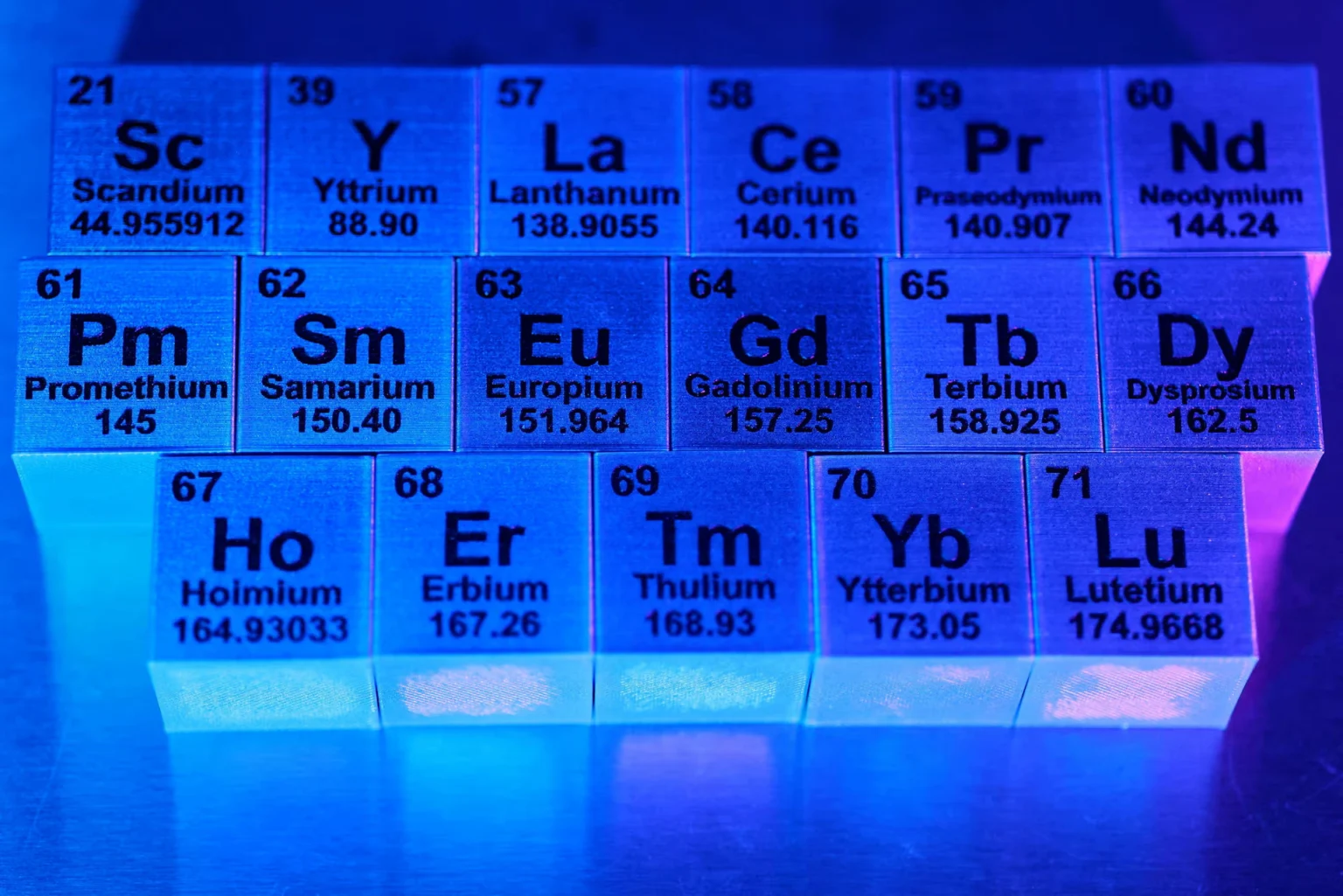
The headline numbers are meaningful but modest. Phase 1 nameplate capacity runs up to 15,000 metric tons of rare earth concentrate per annum. REalloys locks in 15% of that, with a ±5% operational variance per delivery. Priority rights go toward dysprosium and terbium – the two heavy rare earth elements most critical for permanent magnets used in F-35 jet engines, guided missile systems, and electric vehicle drivetrains. There is also a Right of First Refusal on additional volumes, which gives REalloys a structural advantage if Critical Metals later expands output. The pricing mechanism is market-referenced against international rare earth oxide benchmarks on an element-by-element basis, with floor-price protection on specified payable elements. Analysts at YourDailyAnalysis identify the floor protection as the deal’s quiet anchor – it insulates REalloys from the kind of spot market collapse that wiped out multiple rare earth ventures after 2012.
Critical Metals secured Greenland’s government approval on April 17, 2026 to acquire the final 50.5% interest in Tanbreez Mining Greenland A/S, lifting its total ownership to 92.5%. That consolidation matters more than the offtake headline. Control at 92.5% means operational decisions, capex timing, and export prioritization rest almost entirely with the company – a contrast to the fractured ownership that plagued earlier Arctic mining ventures. The deal builds on an October 2025 letter of intent that originally covered ten years; the upgrade to a binding 15-year contract with two additional five-year extension options signals that both sides believe Tanbreez production will be running well into the 2040s.
YourDailyAnalysis pinpoints the regulatory clock as the real chokepoint. The agreement contains a five-year long-stop date: if first commercial delivery fails to occur within that window, either party may terminate. That is a meaningful constraint. The Tanbreez project still requires permitting steps and mine development before production can commence, and the Arctic operating environment adds logistical complexity that pushes up both costs and timelines. REalloys, for its part, operates a full-cycle processing and magnet manufacturing facility in Euclid, Ohio, also holds the Hoidas Lake rare earth project in Saskatchewan, and serves the U.S. Department of Defense, Department of Energy, and NASA. Reporters at YourDailyAnalysis note that this vertical integration – mine feedstock in Greenland, processing in Ohio, end-users in U.S. defense and space agencies – is exactly what U.S. policymakers envisioned when drafting 2027 defense procurement restrictions designed to exclude Chinese rare earth supply.
Zoom out and the strategic logic becomes harder to dismiss. China currently processes roughly 85% to 90% of the world’s rare earth elements, even when raw ore originates elsewhere. REalloys’ mine-to-magnet strategy, anchored by Tanbreez feedstock, is a direct attempt to sever that processing dependency for a slice of critical defense supply. The implication is uncomfortable for incumbents: the U.S. cannot credibly claim supply chain sovereignty on advanced weapons systems if Chinese processors remain the default for every intermediary step. CRML shares rose roughly 8–10% in pre-market trading on May 21; ALOY added around 6–7%. The market’s reaction was positive but not euphoric, which is reasonable given the distance between today’s binding contract and first commercial shipment. Your Daily Analysis closes by flagging the next milestones to watch: Tanbreez permitting progress in Greenland, the five-year long-stop clock, and whether REalloys converts its Ohio processing capacity into Defense Department supply contracts before Chinese rare earth processors respond with aggressive pricing to undercut the economics of the whole chain.