

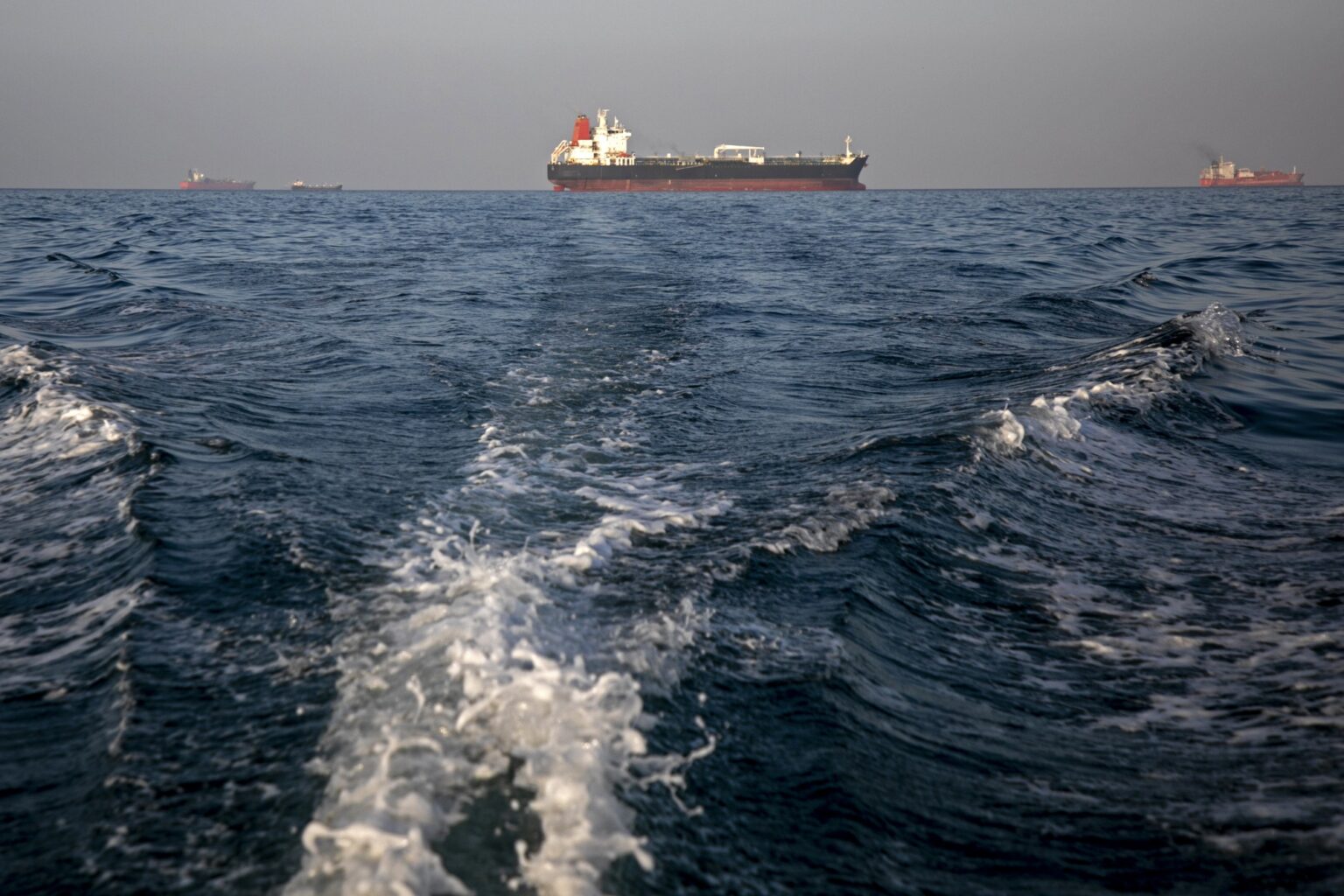
A memorandum of understanding between Washington and Tehran is not a shipping insurance policy. That distinction is what analysts kept returning to after the U.S.-Iran peace deal announcement over the weekend. Traffic in the Strait of Hormuz had been grinding at roughly 5% of pre-February 2026 levels since Iran’s full closure announcement on June 11, with only a handful of vessels transiting daily against a pre-war baseline of more than 100 ships. The Strait handles around a fifth of global oil and liquefied natural gas shipments. Its near-total closure since March – interrupted briefly by a Pakistan-brokered partial reopening in April that lasted less than two weeks – reshaped trade flows in ways that will not simply reverse on a presidential Truth Social post.
YourDailyAnalysis lays out the structural problem in three layers. First, insurance. At the conflict’s peak, war-risk premiums for a single VLCC transit reached 2.5–5% of hull value, translating to roughly $5 million per crossing. Even with a ceasefire and the U.S. naval blockade lifted, underwriters need verified security guarantees before capacity returns. That is weeks of negotiation. Second, carrier positioning. Major carriers suspended Gulf transits and rerouted around the Cape of Good Hope, adding approximately 3,800 nautical miles and 10–14 days per voyage. Those ships are under contract on alternative lanes. Third, refiner behavior. Buyers in India and East Asia signed long-term alternative arrangements during the closure. Many will honor those contracts even if Hormuz reopens cleanly.
Alternative routes and diplomatic efforts kept oil prices surprisingly contained despite repeated U.S.-Iran strikes. That containment now cuts both ways: Brent crude fell below $80 per barrel after Trump’s announcement – U.S. crude dropped 5.76% intraday – which reduces the price signal that would normally incentivize rapid resumption of Gulf shipments. China’s import capacity suggests Beijing can sustain crude flows near 8.7 million barrels per day without significantly depleting inventories. If Beijing is comfortable at current import levels, the immediate commercial pull to rush ships back through the Strait is weaker than the headlines suggest. The reporters at YourDailyAnalysis trace back to the April 8 partial reopening as the closest precedent. That window lasted ten days before Iran re-closed on April 18, citing the ongoing U.S. port blockade as a ceasefire breach. Carriers that had begun repositioning toward the Gulf pulled back within 48 hours. The institutional memory of that reversal is still fresh. When the Strait reopens, ships will rush to exit; carriers will hesitate to return to regular Gulf port calls until regional stability is firmly established, fearing they could be closed in again.
There is a third scenario worth mapping: selective normalization. Some flag states and cargo categories could resume transit faster if Iran signals tolerance. China-flagged tonnage operated at higher volumes throughout the conflict under bilateral arrangements with Tehran. If the MOU formalizes a “non-hostile shipping” category, a two-speed reopening could emerge: Chinese and select Asian carriers moving first, Western majors waiting for verified security protocols. Your Daily Analysis benchmarks this scenario against the Red Sea precedent, where Houthi threat declarations created a persistent two-tier shipping market lasting well beyond the formal ceasefire period.
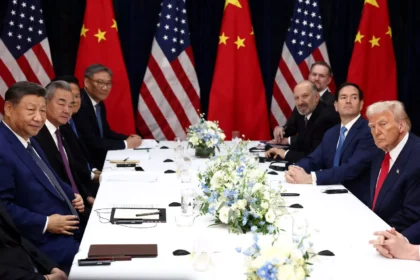
Vance stated the deal will open the strait without tolls for the long term. Prediction market traders pushed the probability of Hormuz traffic returning to normal before August to 58% – up sharply from single-digit odds in early June. The 75% probability attached to normalization before year-end is the more realistic operative target. YourDailyAnalysis sizes up the risk cluster: a formal signing ceremony scheduled in Switzerland on June 19 is the next hard checkpoint. If that goes smoothly, insurance markets begin pricing down war-risk premiums. The base case is that premiums will not fall below 0.5% of hull value per transit until IMF PortWatch records a 7-day moving average above 60 transit calls. The watch item for the next 72 hours is not the oil price – it is the Swiss signing room. Specifically: whether the June 19 ceremony produces a joint verification mechanism or merely a photo opportunity with vague language that underwriters cannot price.