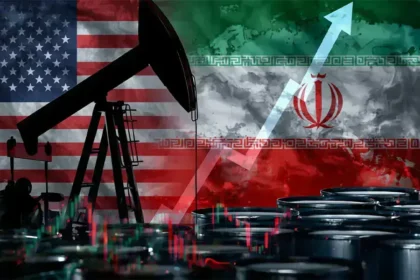



Heightened geopolitical tensions in the Middle East are reshaping global market sentiment as investors evaluate the impact of rising energy prices and escalating conflict. As YourDailyAnalysis observes, recent developments involving Iran briefly pushed Brent crude above the $100-per-barrel threshold, intensifying concerns about inflation and risk across financial markets. In this environment, the performance of Bitcoin has become a focal point for traders analyzing how digital assets respond to geopolitical shocks.
Bitcoin initially declined about 2% following reports of attacks on oil tankers in Iraqi waters, mirroring a broader risk-off reaction across global markets. The selloff proved temporary. Prices stabilized near $70,000 during the New York session and later climbed back above $73,000 as investors turned to liquid instruments capable of quickly absorbing market volatility. According to the YourDailyAnalysis assessment, Bitcoin’s behavior during the latest escalation differs from earlier market cycles, when geopolitical shocks often triggered deeper selloffs in crypto markets. This time the digital asset absorbed the initial uncertainty while maintaining a relatively narrow trading range compared with many traditional risk assets.
Energy markets remain central to the broader macro picture. Rapid increases in oil prices tend to reinforce expectations of persistent inflation and potentially tighter monetary policy – conditions that historically weigh on technology stocks and speculative assets. At the same time, episodes of geopolitical instability often increase demand for highly liquid markets, a role Bitcoin is increasingly beginning to fill.
A review by YourDailyAnalysis suggests that this dual dynamic explains the current price structure. While Bitcoin remains sensitive to global risk appetite, its round-the-clock trading and deep liquidity make it one of the fastest channels through which investors can react to macroeconomic developments.
Derivatives markets are also providing important signals. Funding rates on perpetual Bitcoin futures recently turned negative and reached their lowest levels in nearly five weeks. Historically, such conditions can precede price rebounds because crowded short positions may become vulnerable to rapid covering.
Large-holder activity adds another layer to the picture. Market data examined by YourDailyAnalysis indicates that accumulation by major investors intensified during recent price dips, particularly around levels slightly above $60,000. Such behavior often suggests that long-term participants continue to view the current price zone as strategically attractive.
The broader macro environment, however, remains uncertain. Concerns about potential disruptions in the Strait of Hormuz – a critical global energy corridor – continue to fuel volatility across commodity and currency markets. At the same time, the strengthening U.S. dollar reflects persistent demand for traditional safe-haven liquidity during periods of geopolitical stress.
In this context, Your Daily Analysis indicates that Bitcoin’s near-term direction will likely depend heavily on developments in energy markets. A stabilization in oil prices and easing geopolitical tensions could allow the cryptocurrency to regain upward momentum and test recent highs. Conversely, sustained pressure in energy markets may keep Bitcoin trading within a volatile but relatively contained range as investors balance its liquidity advantages against broader macroeconomic risks.