



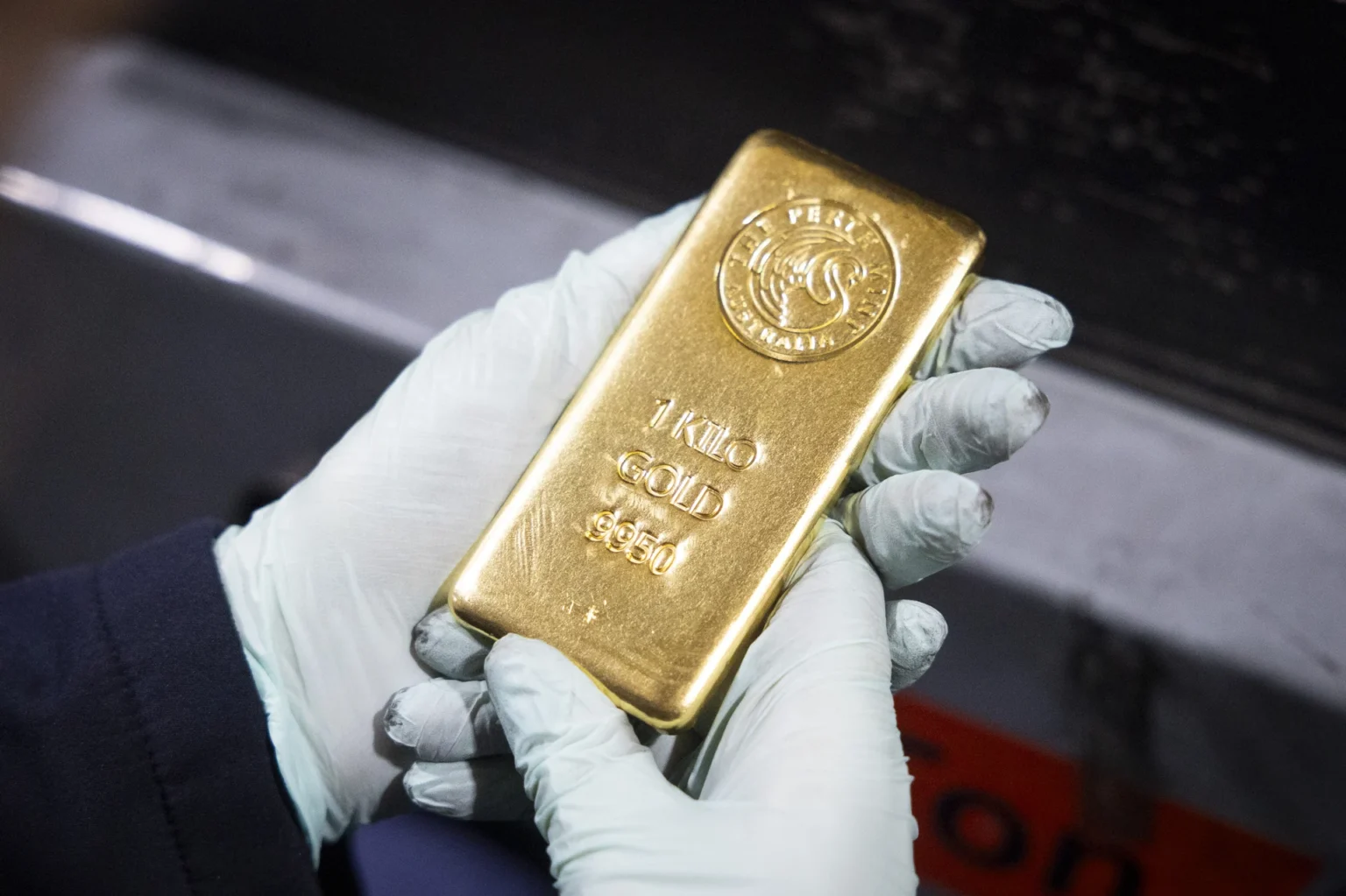
Gold is staging a remarkable resurgence. By late November, the metal climbed to roughly $4,100 per ounce – a jump of nearly 22% in six months and more than 55% over the past year. Persistent inflation, geopolitical shocks and growing unease over stretched equity valuations are all pushing investors back toward hard assets. At YourDailyAnalysis, we note that this shift resembles a broader psychological turn in the markets: investors are no longer merely seeking returns – they are seeking shelter. This sentiment is driving renewed interest in one of the more niche, but rapidly rising retirement tools: the gold IRA.
A gold IRA is a self-directed retirement account that holds physical precious metals instead of publicly traded securities. Unlike traditional IRAs, where investments are limited to stocks, bonds or ETFs, these accounts allow savers to store real gold bars or coins under tax-advantaged rules. As we emphasize in YourDailyAnalysis, “the migration from paper assets to physical metals inside retirement portfolios reflects a deeper anxiety about systemic fragility, not just a passing trend.”
The appeal is intuitive. Gold has a century-long track record of preserving purchasing power. The oft-cited example still holds: an ounce of gold could buy a high-quality suit in 1920, and it can buy one today. Gold IRAs combine this resilience with the tax efficiency of retirement accounts. For long-term savers, that means greater control over when taxes are triggered, the ability to structure distributions strategically, and the comfort of holding assets not directly tied to stock-market cycles.
But gold IRAs are far from flawless. Fees can be substantial – including setup costs, annual custodian fees, storage and insurance – and these expenses quickly erode returns for accounts with modest balances. Liquidity is also lower than with stocks or ETFs; buying and selling physical metals through a custodian can take time. Investors cannot store the gold themselves, as IRS rules require a qualified custodian to manage all logistics. As analysts at YourDailyAnalysis observe, “for small accounts, gold IRAs are often more of an expensive defensive instrument than an efficient growth vehicle.”
The structural risks extend further. Gold can be volatile, especially during cycles of aggressive Federal Reserve tightening. While central banks are accumulating record levels of gold – a trend that supports long-term prices – any reversal in policy can spark sharp sell-offs. Still, gold remains one of the few assets that historically weather inflationary episodes, geopolitical shocks and currency instability.
In practice, gold IRAs work best as part of a diversified retirement strategy, not the core. For investors with sizable portfolios and long time horizons, gold can serve as a stabilizing layer – reducing equity exposure during market stress and strengthening overall risk resilience. For newcomers, rigorous due diligence is essential: choosing the right custodian, comparing fee structures and understanding the roles of the three entities involved (custodian, metal dealer and storage facility) are critical steps.
Strategically, YourDailyAnalysis believes that gold’s momentum may persist as the global financial system navigates a period of shifting trust. Investors are leaning back into tangible assets, and governments continue to reweight reserves toward physical gold. But gold IRAs are merely one delivery mechanism. Their advantages are meaningful only when paired with scale, patience and thoughtful diversification.
In closing, we at Your Daily Analysis underscore that gold IRAs can be a valuable addition to a well-structured retirement portfolio – but never a substitute for comprehensive asset allocation. A moderate allocation – typically 5% to 10% – can offer inflation protection and downside resilience without exposing savers to the metal’s inherent volatility. Gold can be a strong anchor, but it should not be the entire foundation.