

Micron Technology on Thursday signed long-term agreements with automotive suppliers, including chip designer Qualcomm and audio products maker Harman, to secure memory and storage components that power AI-enabled vehicles. The agreements come as the industry races to expand manufacturing capacity to meet booming demand for memory chips driven by rapid AI adoption. YourDailyAnalysis flags the direction of this deal as the detail worth noting: this isn’t Micron locking in customers so much as automotive suppliers locking in Micron, since long-term agreements in a shortage market are typically sought by buyers desperate for supply certainty, not sellers desperate for demand.
The breadth of automotive partners involved shows how deep this supply push runs across the industry. Micron’s agreements, beyond Qualcomm and Harman, include auto parts suppliers Visteon, JOYNEXT, DENSO, Astemo and Hyundai Mobis, aiming to offer stable supply and pricing for better production planning and investment in future advanced vehicle platforms. YourDailyAnalysis reads that supplier list as spanning the full automotive value chain, from tier-one component makers like DENSO to chip designers like Qualcomm, which suggests memory scarcity is now a planning constraint across essentially every layer of vehicle electronics production, not just at the point of final assembly.
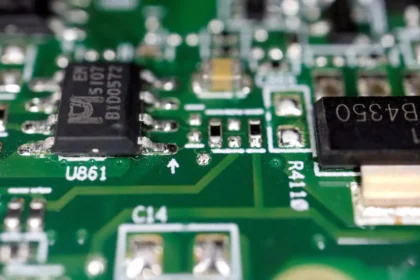
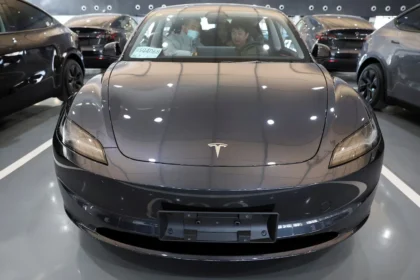
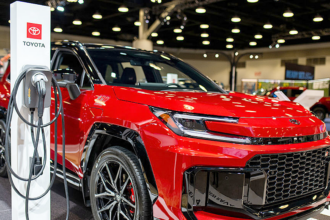
The application context clarifies why automakers specifically are scrambling to lock down supply now. These chips are used in data centers, consumer electronics and vehicles, where they support AI-enabled features such as ADAS (advanced driver-assistance systems) and digital cockpits; as vehicles become increasingly software-defined, automakers need technology platforms that bring together high-performance compute, connectivity, memory and storage, according to Qualcomm President and CEO Cristiano Amon. That’s a meaningfully different bill of materials than a traditional vehicle required even five years ago, and it’s pulling car manufacturers directly into competition with data centers and consumer electronics makers for the same constrained memory supply.
Micron’s position in this market gives it unusual leverage in setting these terms. Micron is the only U.S.-based manufacturer of high bandwidth memory chips used with Nvidia’s AI processors, and has seen extraordinary demand that has allowed it and rivals SK Hynix and Samsung Electronics to charge premium prices. Your Daily Analysis treats that U.S.-manufacturer status as strategically significant beyond the pricing power it confers: for automakers and suppliers navigating an increasingly fragmented global chip-supply landscape shaped by export controls and geopolitical tension, a domestic HBM source carries value that goes beyond simple availability.
The scale of Micron’s broader customer-agreement strategy puts these specific auto deals in context. Micron CEO Sanjay Mehrotra said in June the company signed 16 strategic customer agreements, and he expects data center-driven growth to be increasingly complemented by AI-enabled features in smartphones, high-end PCs, automotive applications and robotics. That framing places automotive as one of several parallel demand streams Micron is deliberately diversifying into, rather than treating data-center AI demand as its only meaningful growth driver – a hedge against any single end market cooling.
Watch whether other major automakers and Tier 1 suppliers announce similar long-term memory agreements with Micron, SK Hynix or Samsung in the coming months, which would confirm this auto-sector supply scramble is industry-wide rather than specific to the named partners. YourDailyAnalysis views the pricing terms embedded in these long-term contracts, though undisclosed, as the more consequential detail for automakers’ margins going forward – locking in supply during a shortage typically means locking in premium prices as well, a trade-off automakers are evidently willing to accept for planning certainty.